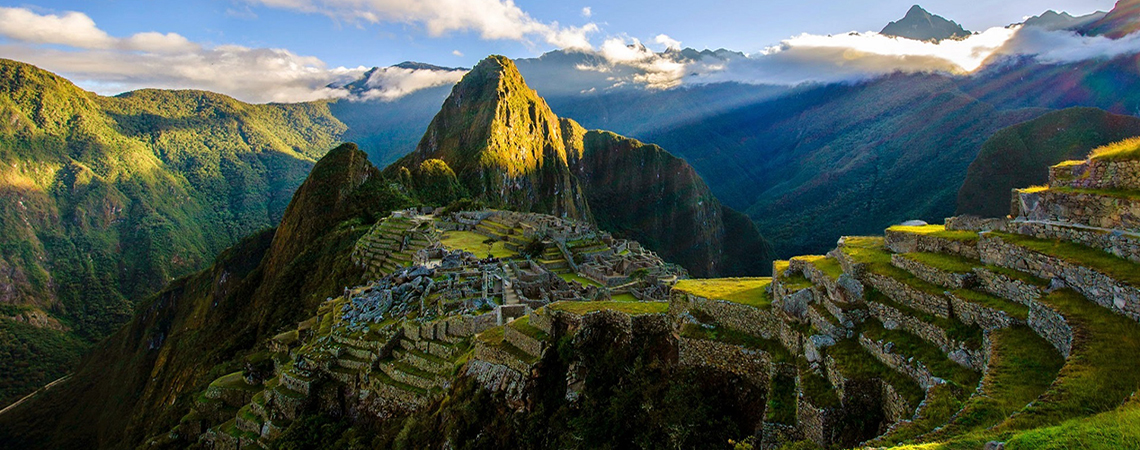
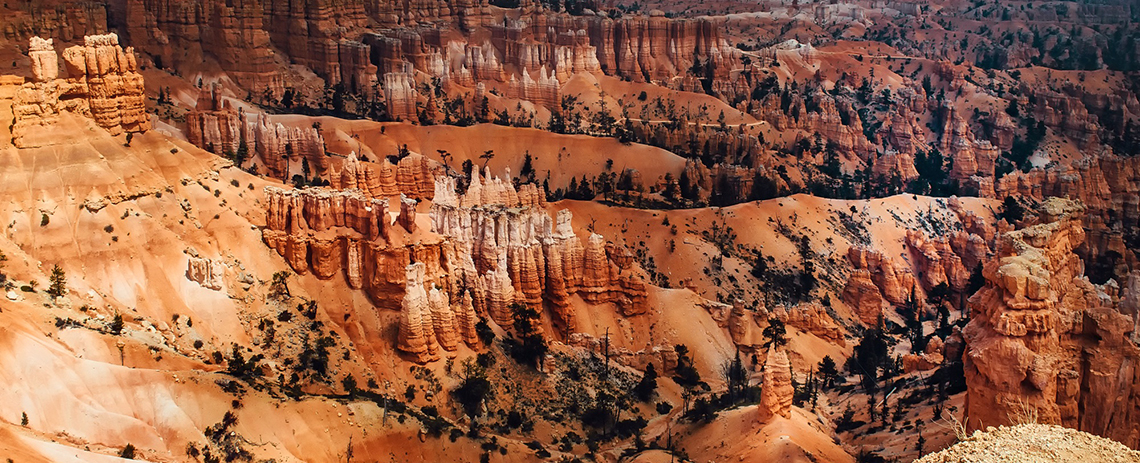
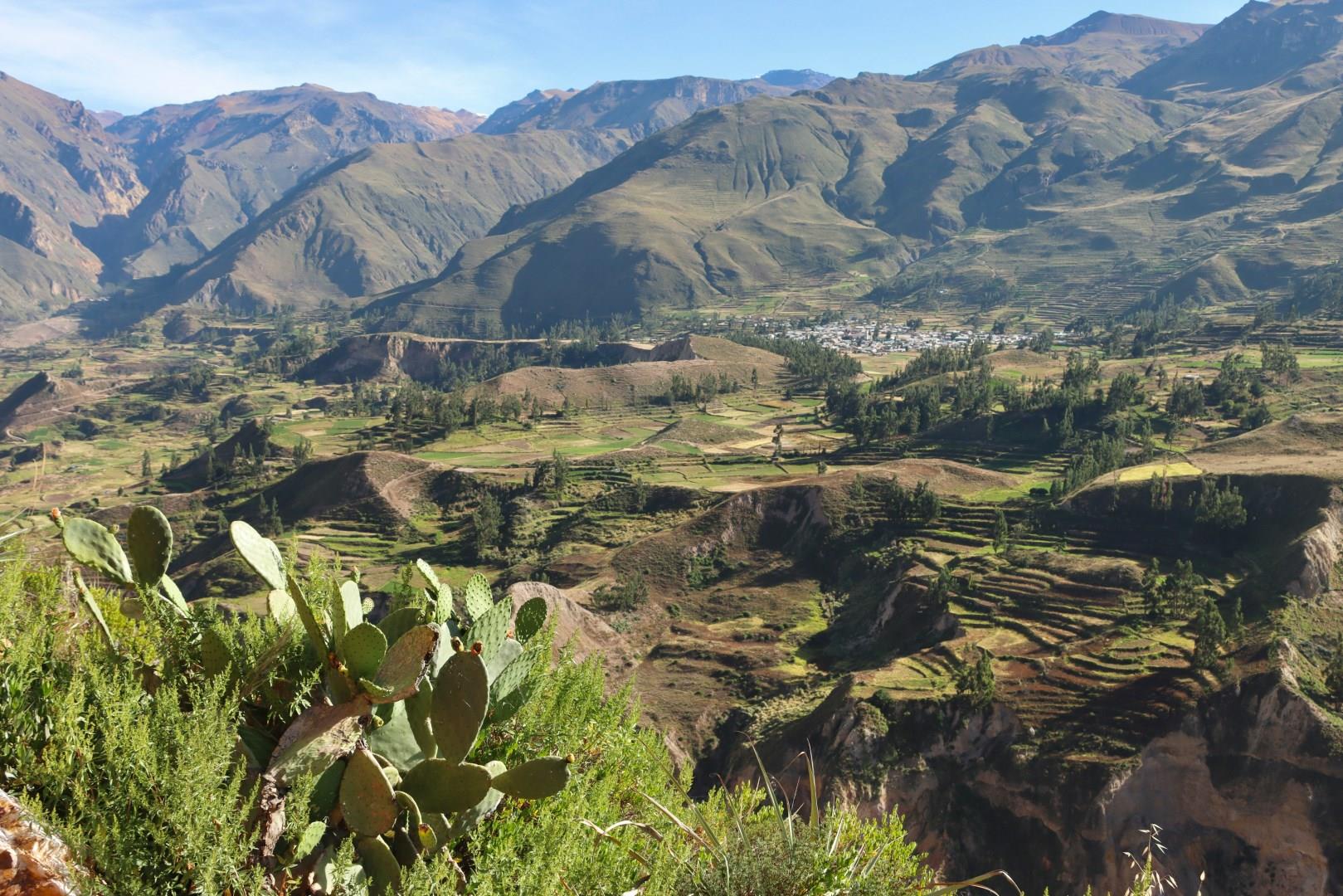
Colca Canyon, located in southern Peru’s Arequipa region, is one of the deepest canyons in the world, twice as deep as the Grand Canyon in some areas. What makes it stand out even more is how human settlements have coexisted with the landscape for centuries. Along its walls, pre-Inca agricultural terraces still hold crops like corn and quinoa. Villages such as Chivay and Yanque keep alive traditional dress and customs that date back to the Collagua and Cabana cultures, long before the Inca arrived.
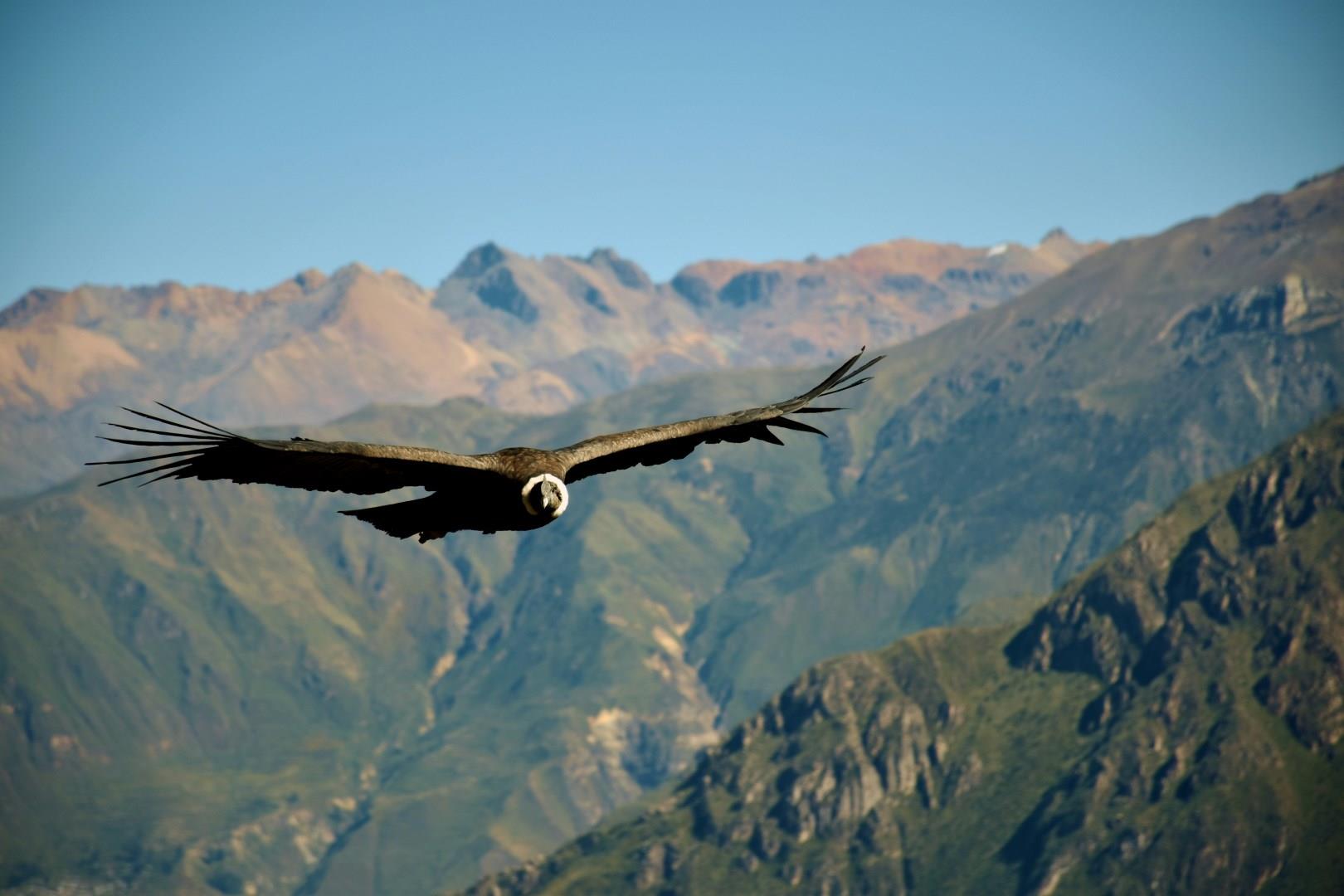
One of the main draws of the canyon is the opportunity to see Andean condors in flight. At Cruz del Condor, a viewing point perched above the canyon walls, visitors often watch these birds glide across thermal currents just after sunrise. With wingspans reaching up to 3.2 meters, the Andean condor is one of the world’s largest flying birds. Locals consider them sacred and have long associated their flight with ancient myths about life, death, and rebirth.
Colca’s villages offer a closer look at life in the Andes. In Yanque, women in embroidered skirts and hats perform dances in the main square each morning, while nearby hot springs offer a way to relax after a trek. The Colca Valley is also known for its colonial churches, many built in the 16th century by Spanish settlers using local stone and Indigenous labor. The church in Lari, for example, has a finely carved baroque façade and remains active in village life today.