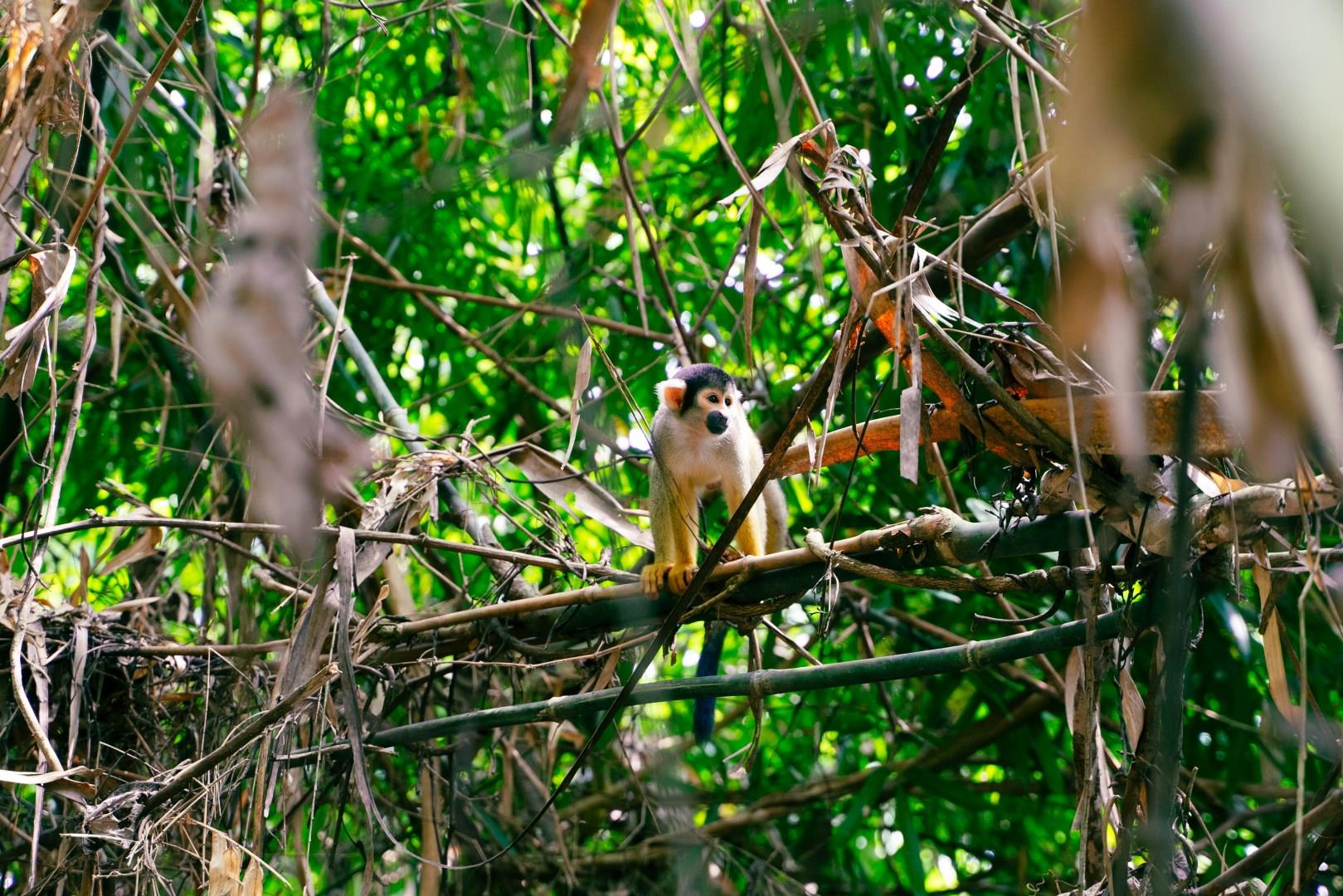
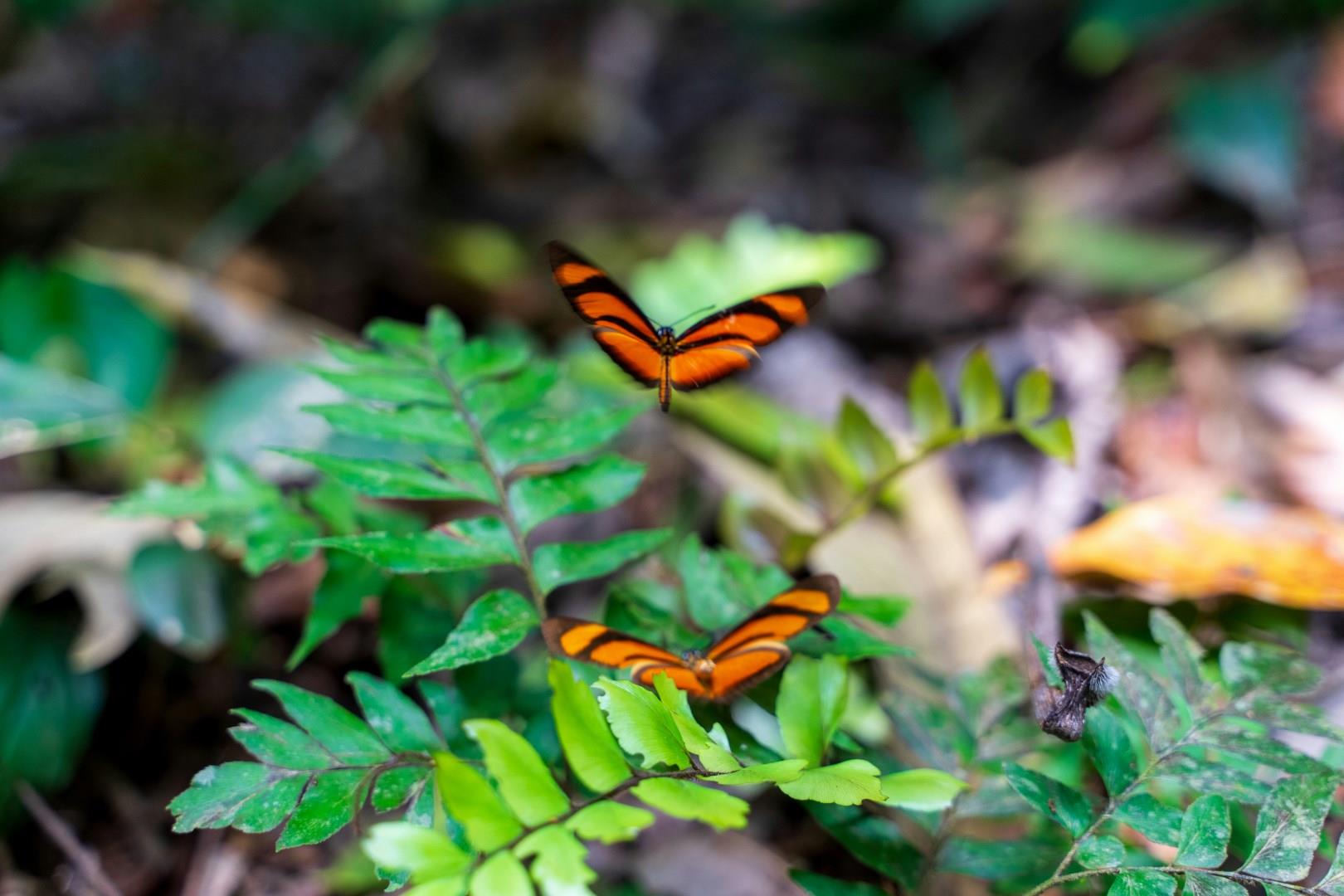
Located in the Madre de Dios region of southeastern Peru, Tambopata is a protected area where visitors can experience the Amazon rainforest in its rawest form. The Tambopata National Reserve spans over 270,000 hectares and is home to an estimated 1,200 butterfly species, 600 bird species, and hundreds of tree varieties. One of its most famous residents is the jaguar, though sightings are rare. More common encounters include red howler monkeys, capybaras, and giant river otters. Guided river tours along the Tambopata and Madre de Dios rivers offer access to remote eco-lodges, each built to blend with the surrounding forest.
One of the most visited sites in the reserve is the clay lick at Colpa de Chuncho. Each morning, hundreds of macaws, parrots, and parakeets gather here to feed on the mineral-rich clay, creating a spectacle of color and sound. Scientists believe the clay helps neutralize toxins from their fruit-heavy diet. This daily gathering has made the area an important research site for biologists and birdwatchers alike. Early morning boat rides are typically the best time to witness the activity, with sunrise casting golden light over the treetops.
Tambopata also holds significance for Indigenous communities such as the Ese Ejja and the Infierno community, who continue to practice sustainable living within and around the reserve. Some lodges partner directly with these communities, offering guided forest walks where local guides identify medicinal plants, track animal signs, and share traditional stories. These experiences often reveal a deeper understanding of the forest both as a habitat and as a living archive of knowledge and belief systems.