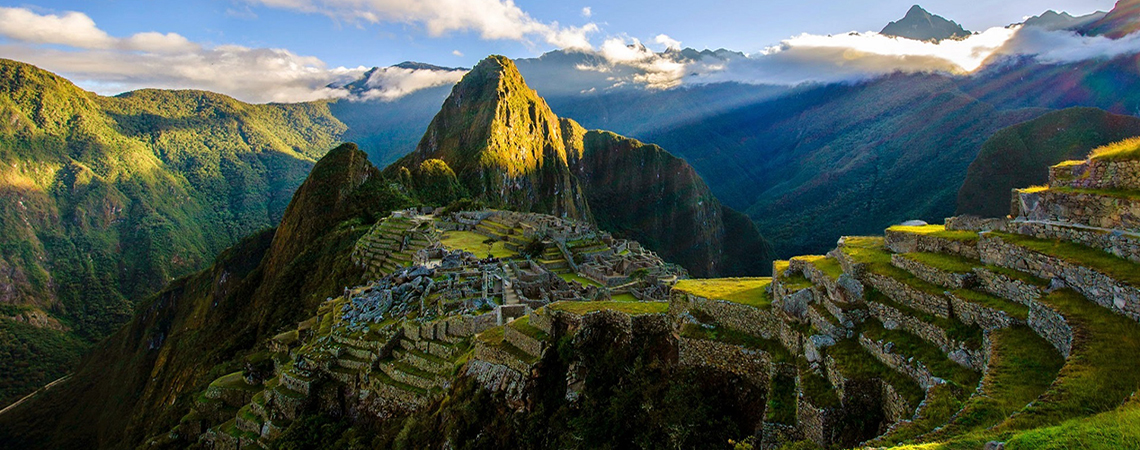
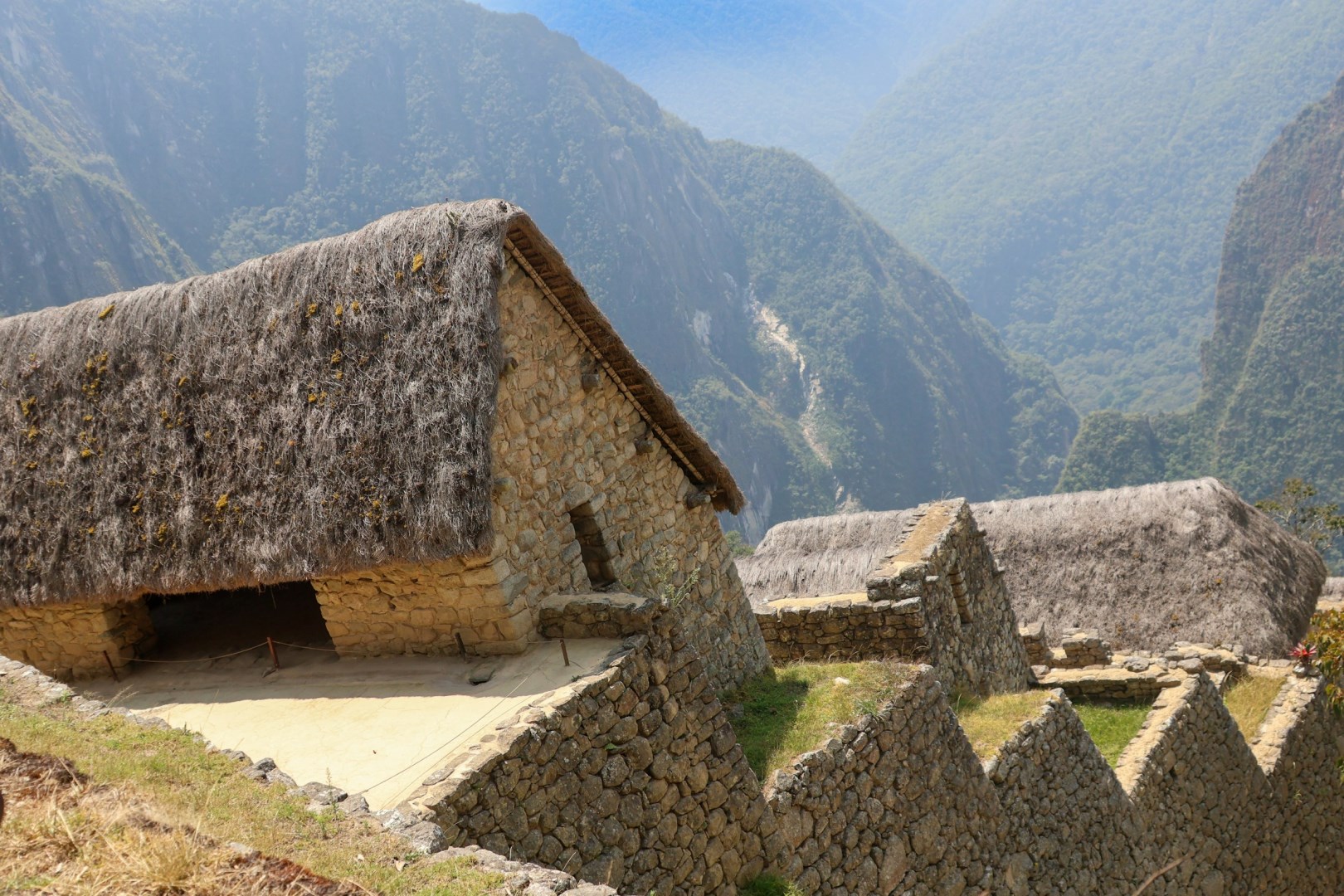
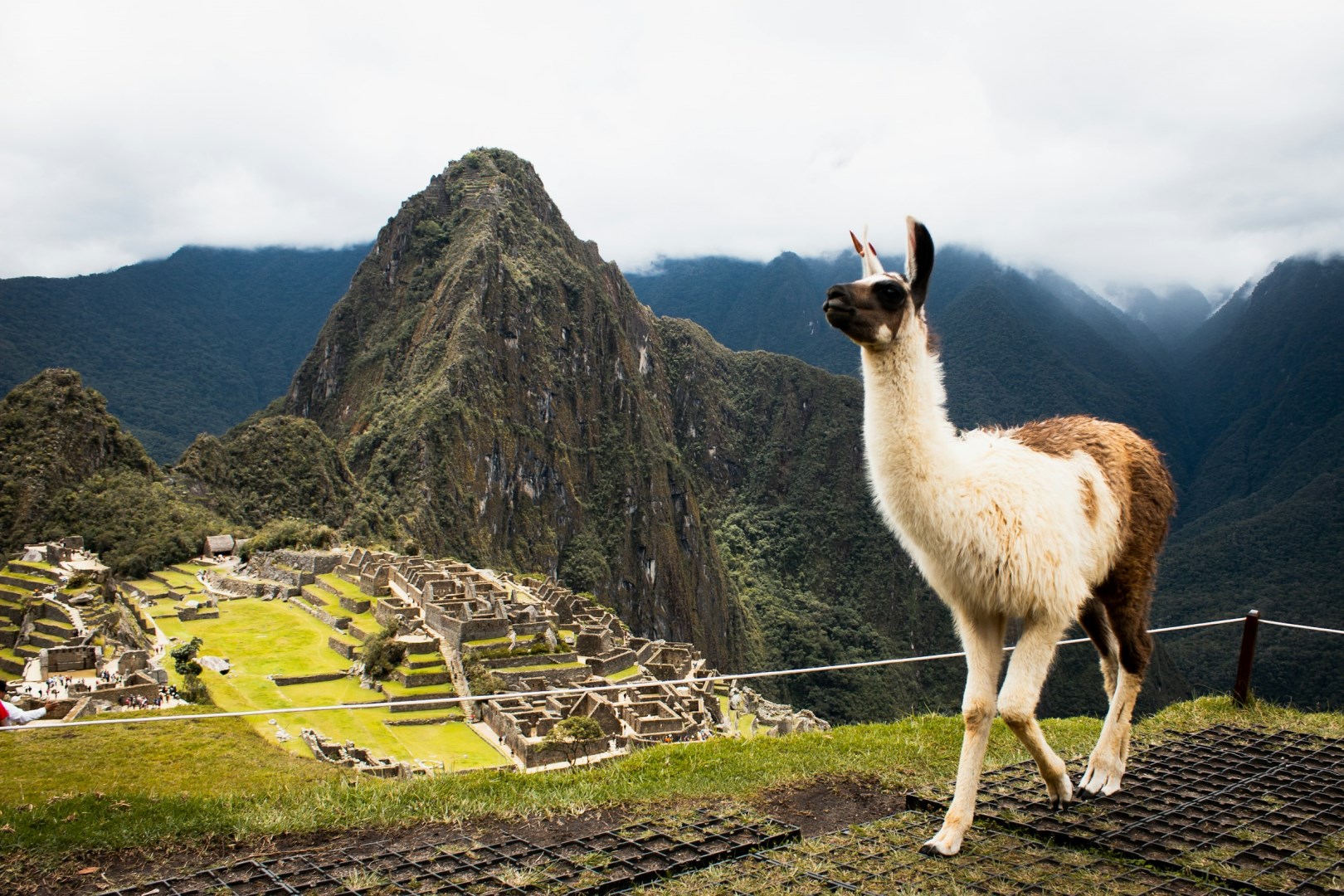
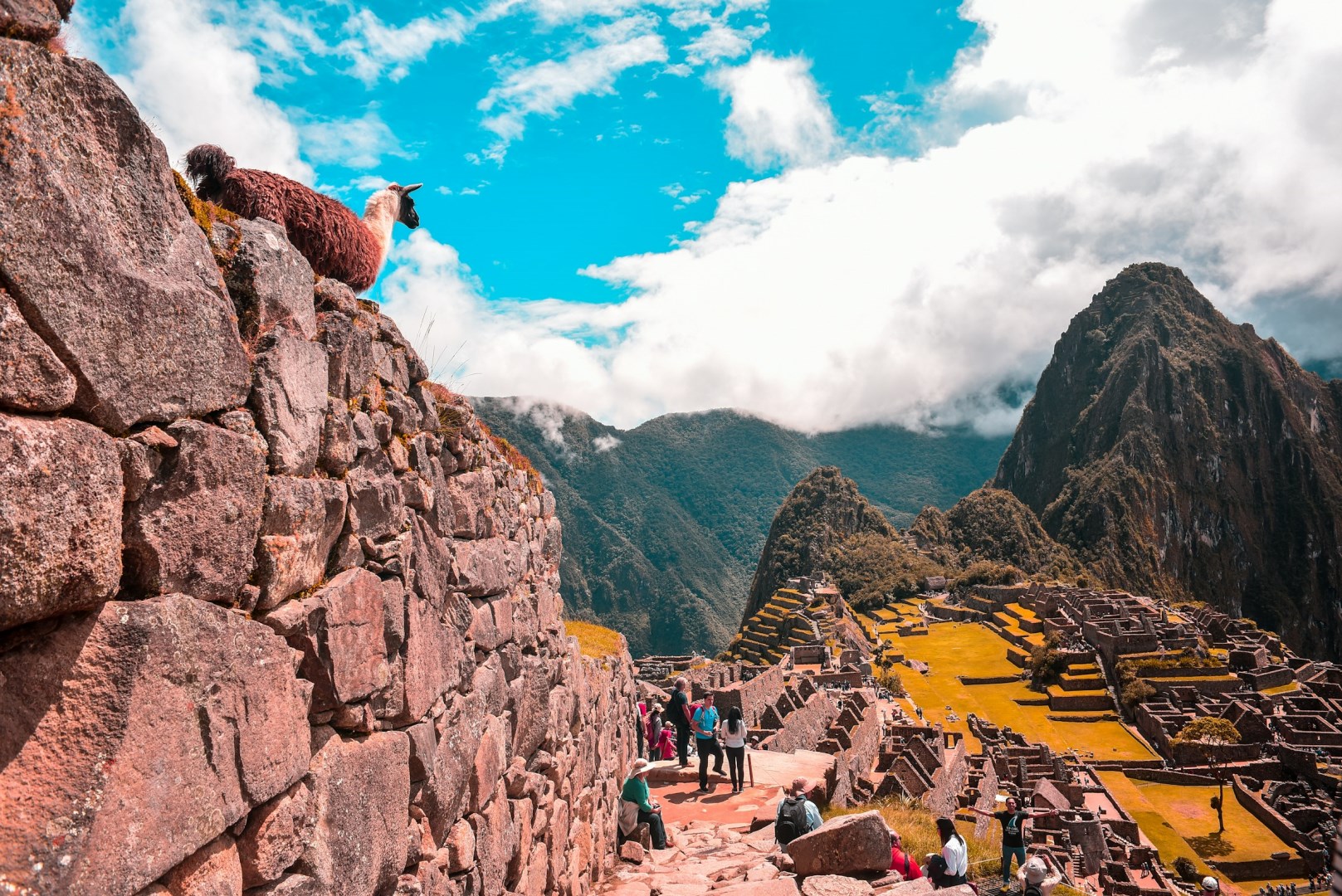
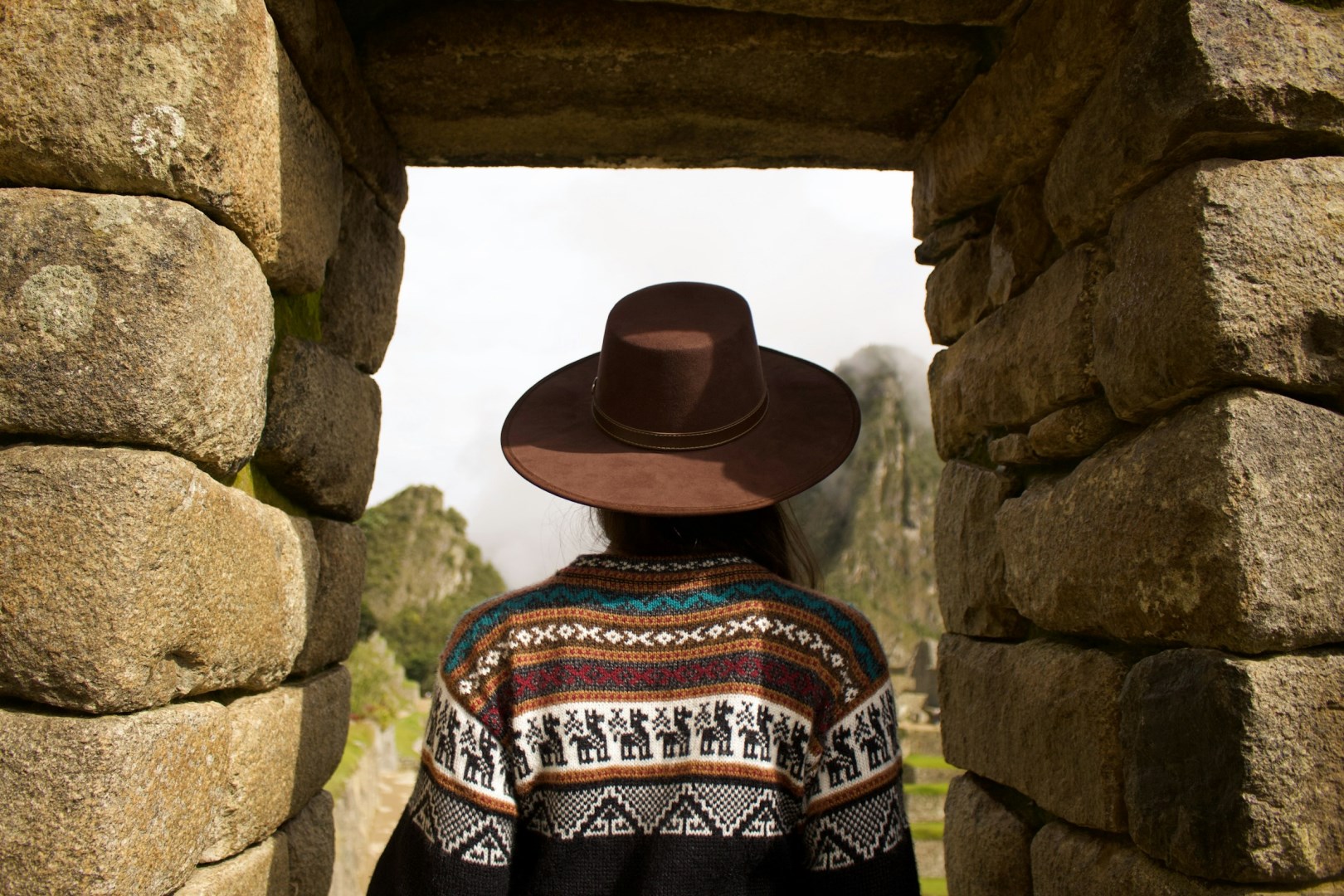
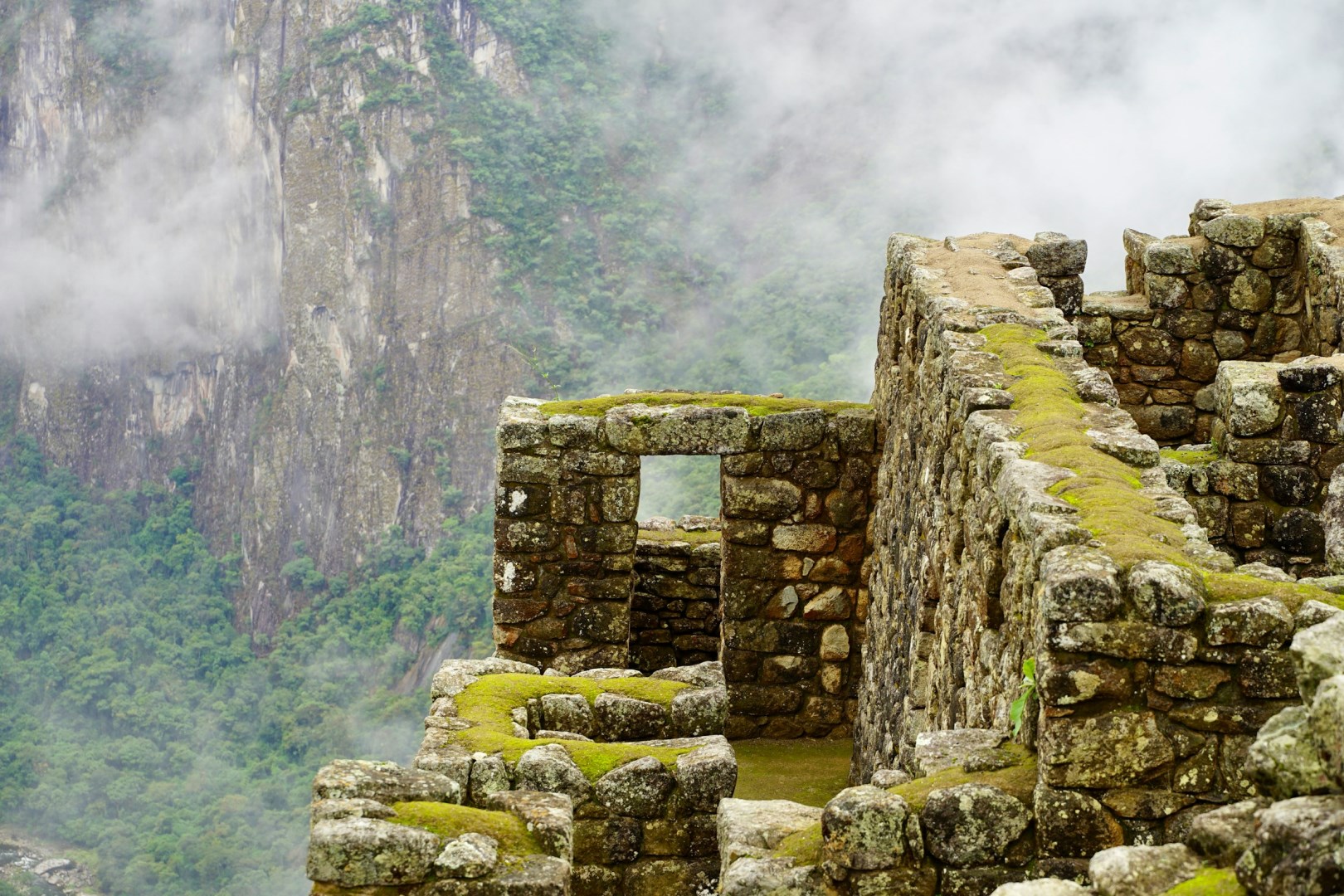
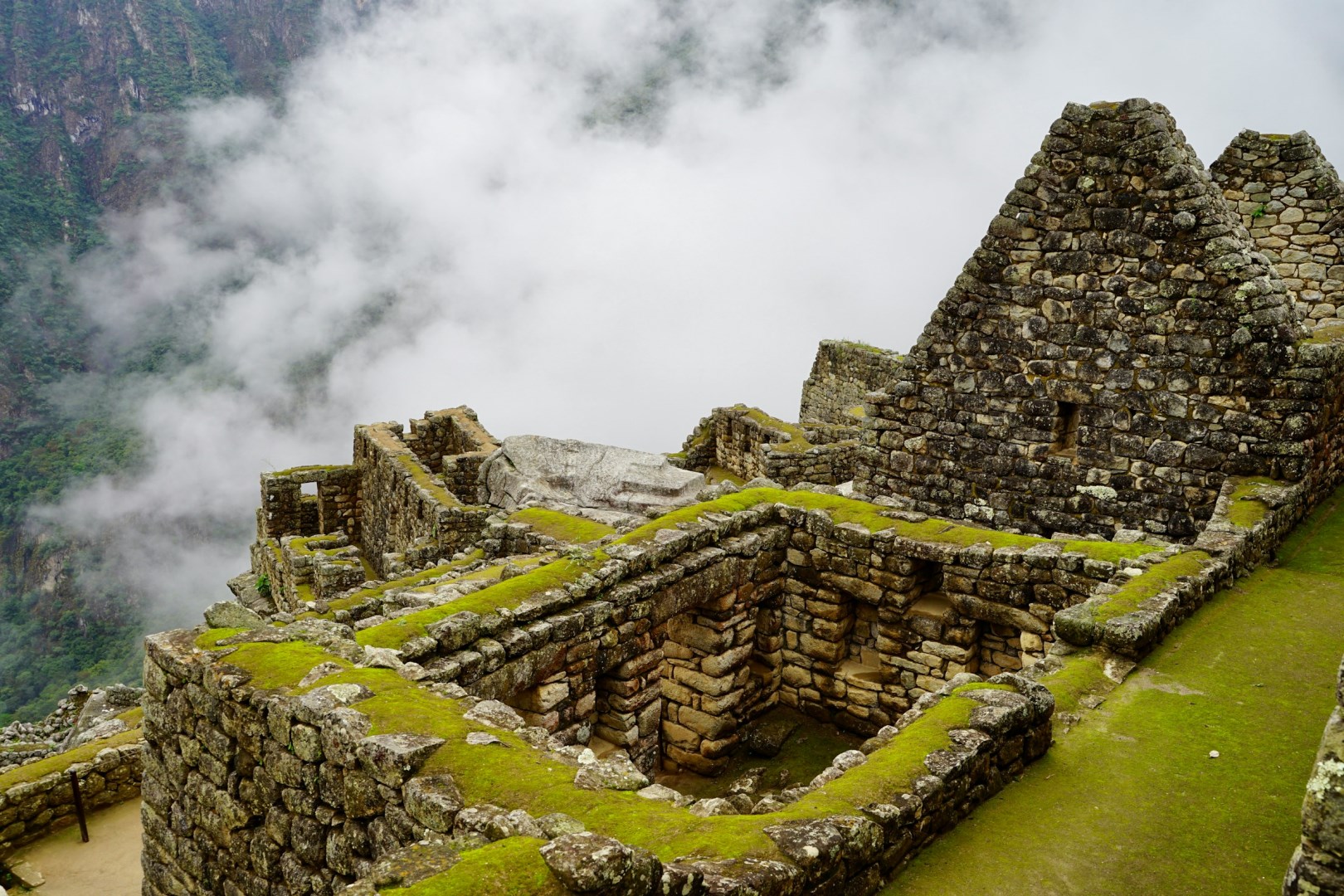
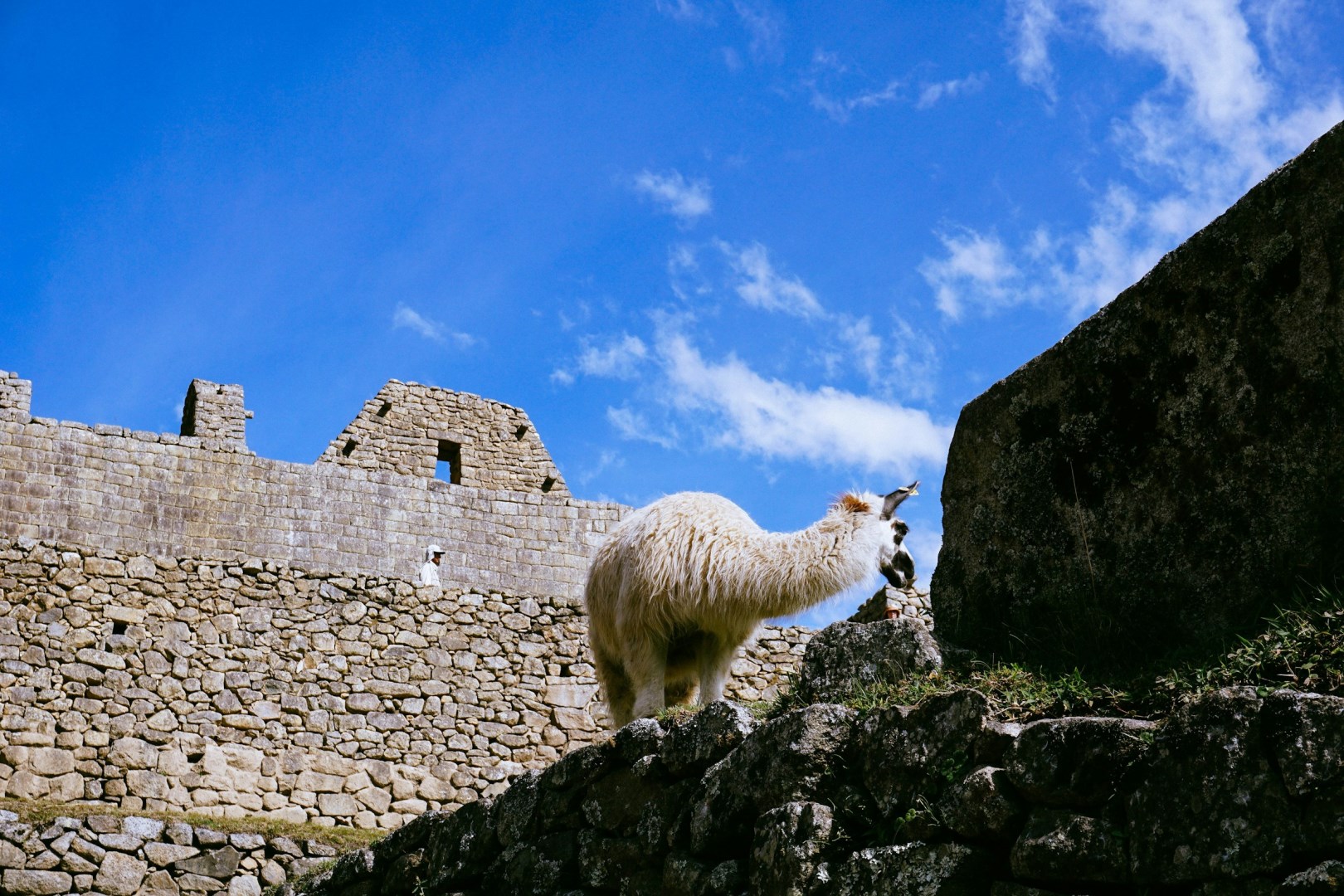
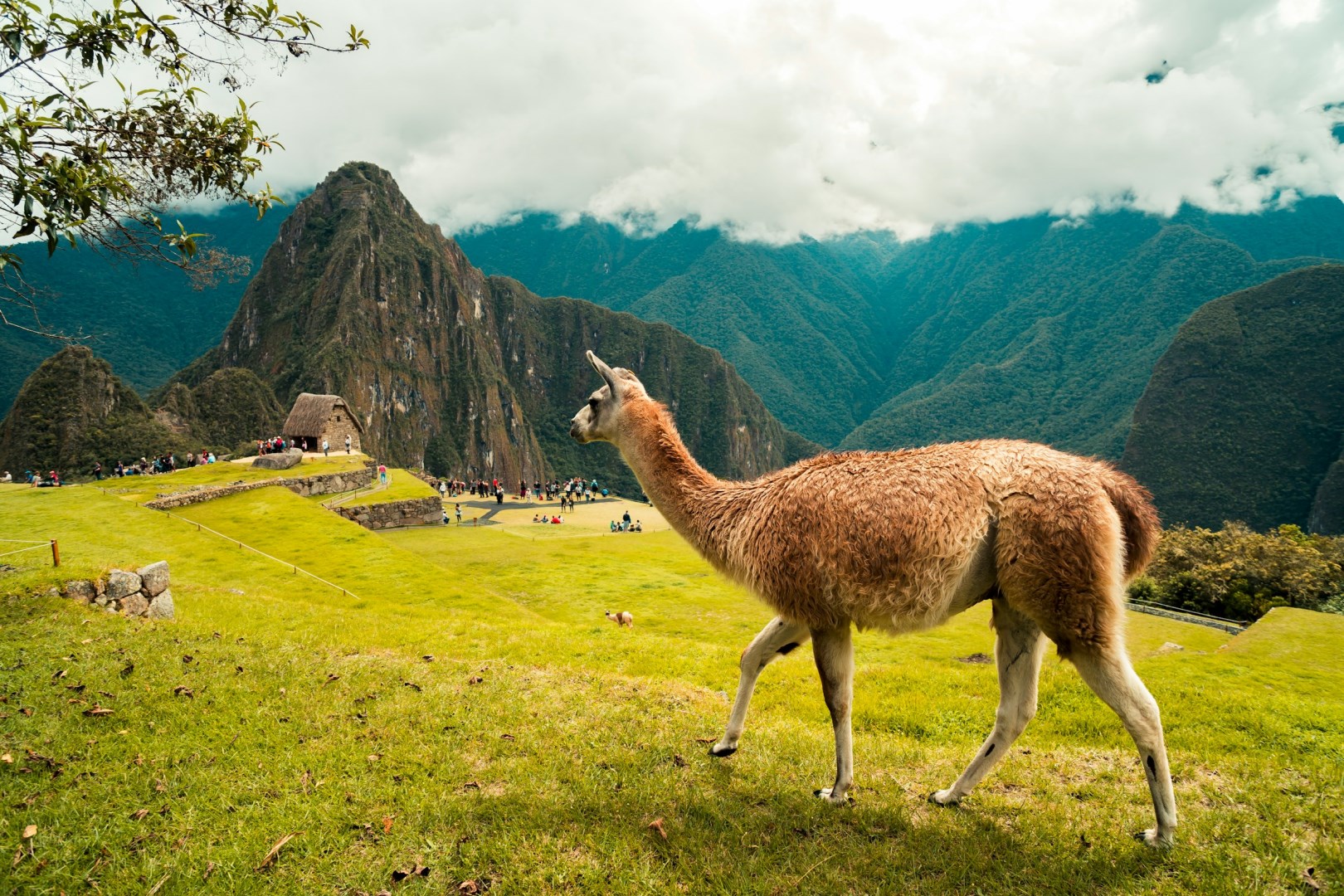
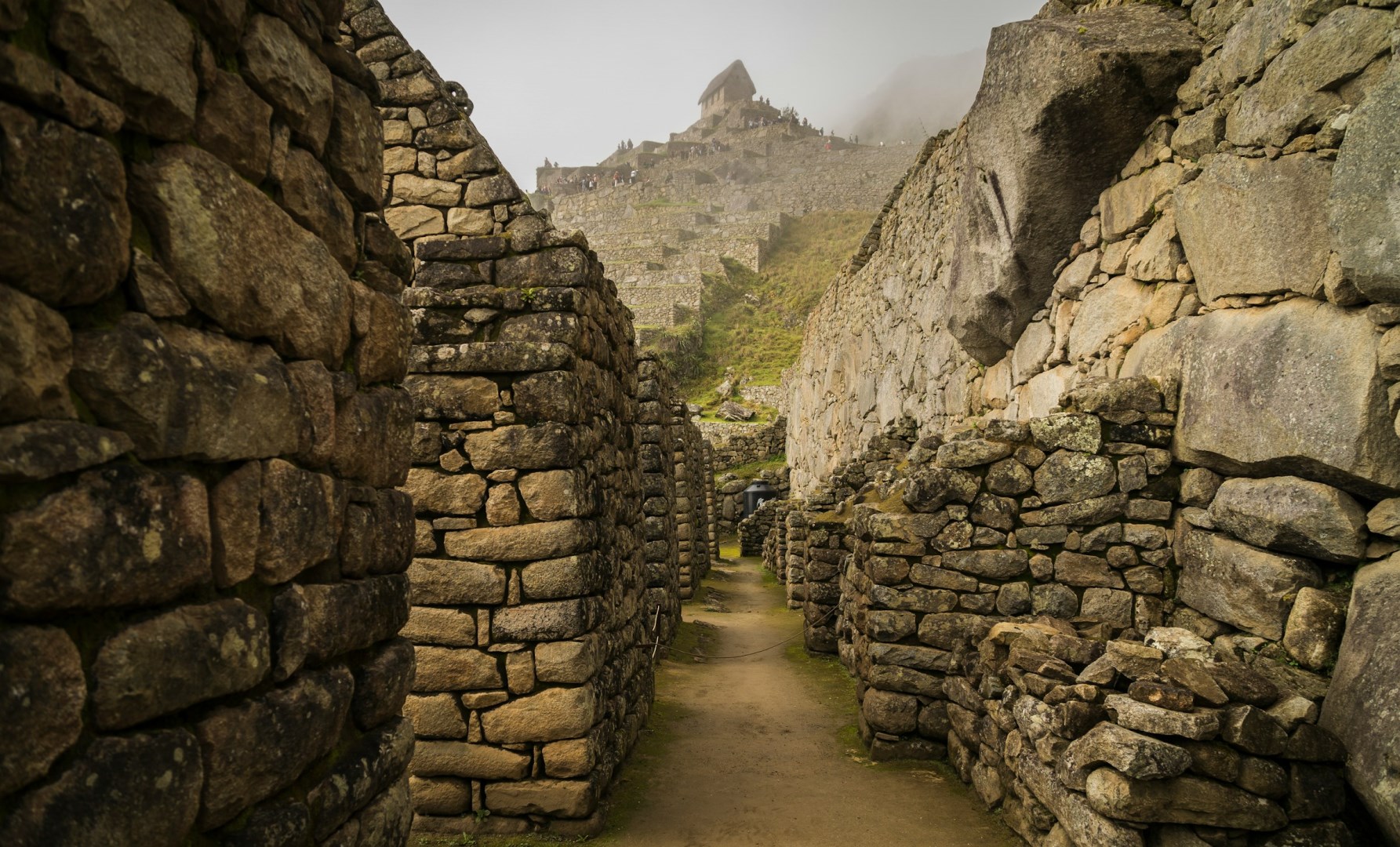
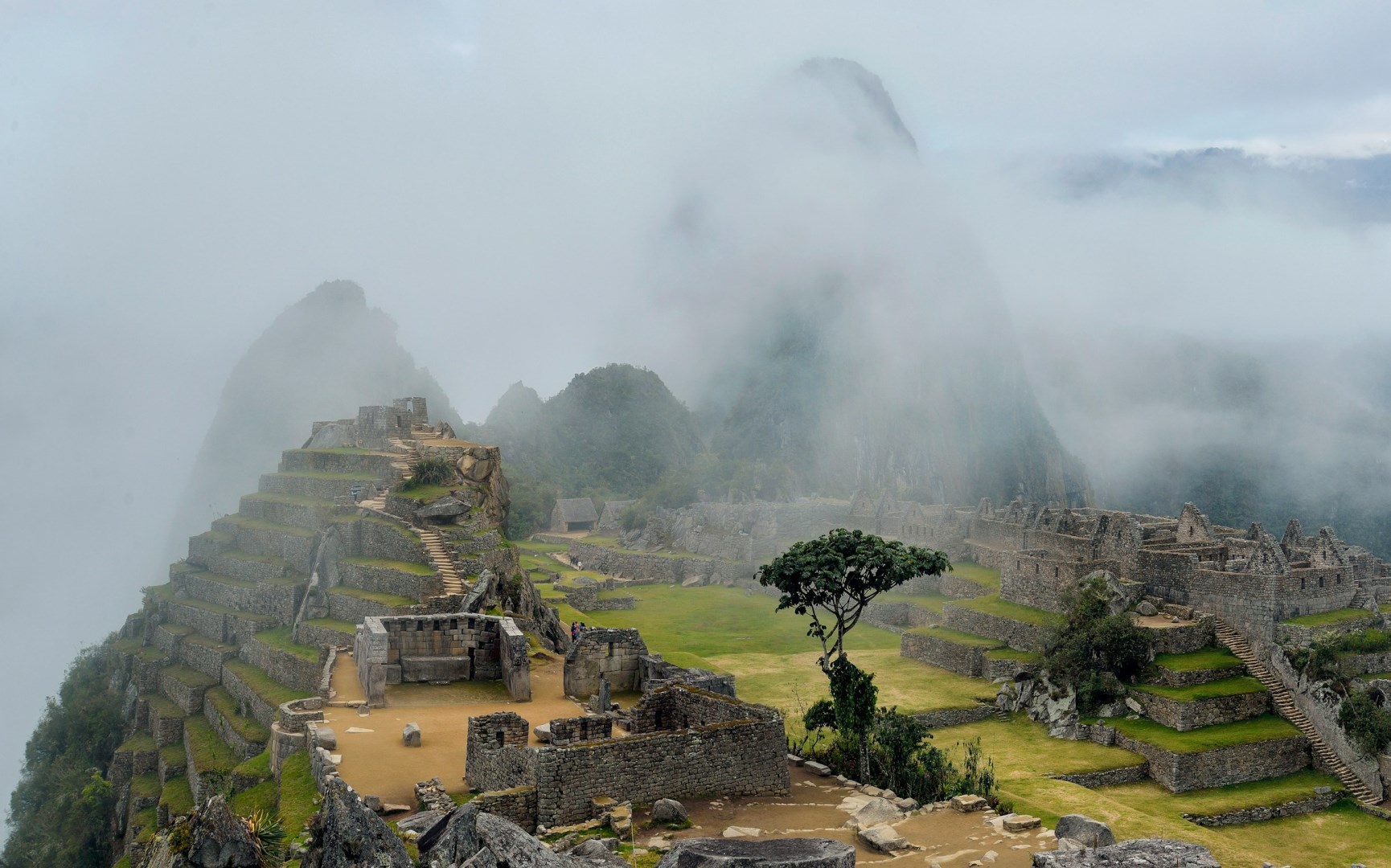
Machu Picchu is a story carved into stone, perched nearly 2,500 meters above sea level in the cloud forests of southern Peru. Built in the 15th century and later abandoned, this Inca citadel was unknown to the outside world until 1911, when explorer Hiram Bingham brought it to international attention. Today, it remains remarkably well-preserved, with more than 150 stone structures, terraced fields, ceremonial fountains, and temples aligned with astronomical events. Each corner holds secrets about Inca engineering, astronomy, and daily life in one of the most remote imperial cities ever built.
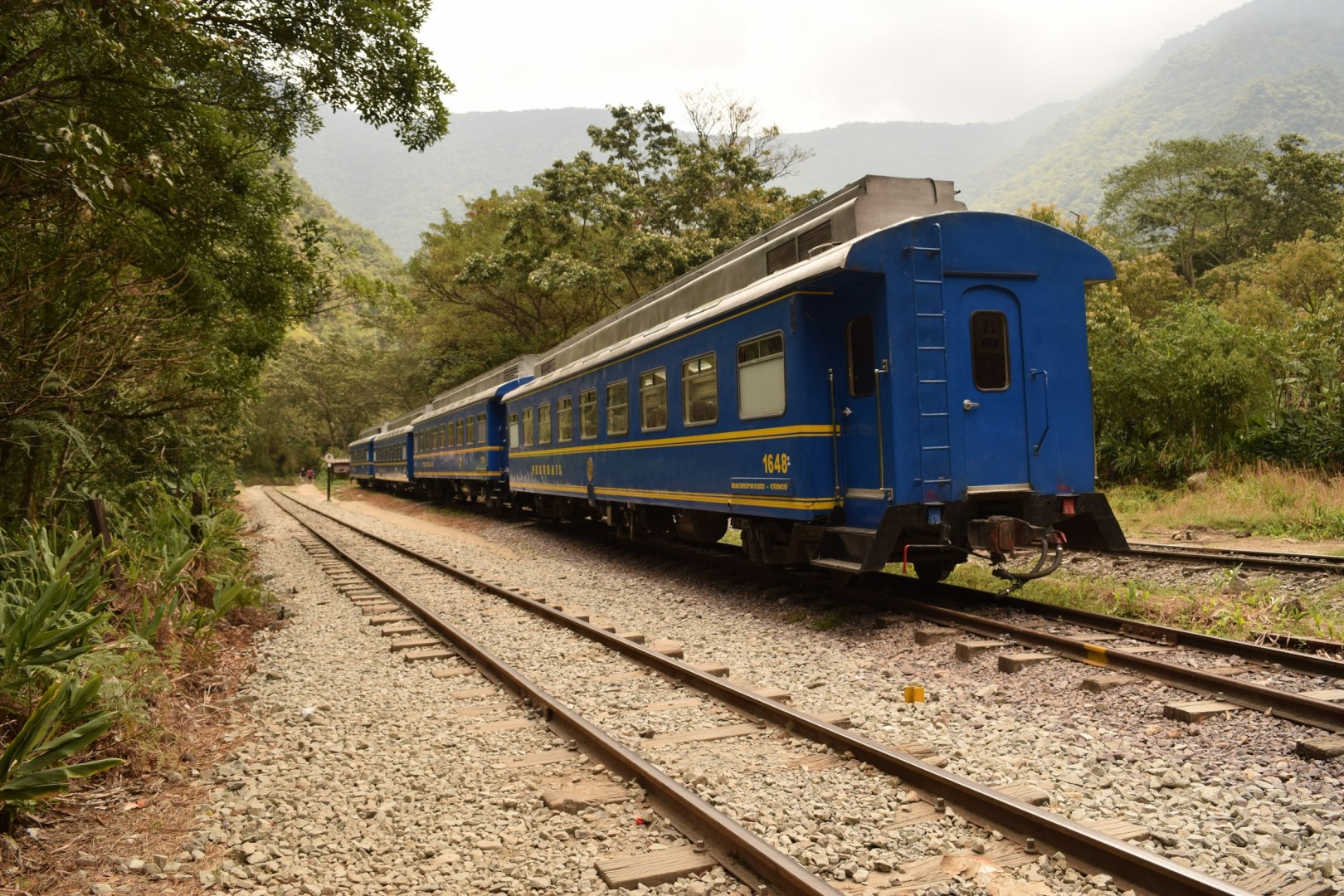
While many arrive by train from Cusco or Ollantaytambo, others reach Machu Picchu via the Inca Trail in a multi-day trek that winds through Andean peaks and lush valleys, passing lesser-known archaeological sites like Wiñay Wayna and Phuyupatamarca. Entering the citadel at sunrise through the Inti Punku, or Sun Gate, is considered by many to be the most rewarding way to first lay eyes on the ruins. The interplay of morning mist, light, and ancient stone offers a view that has been largely unchanged for centuries.
What makes Machu Picchu especially intriguing is that its purpose is still debated. Some scholars believe it was a royal retreat for Emperor Pachacuti, while others see it as a religious site due to its alignment with solstices and sacred mountains. One of the most curious features is the Intihuatana Stone, a carved pillar that may have served as a solar clock. During the June solstice, sunlight hits it in a way that suggests a deep understanding of celestial cycles by Inca architects.