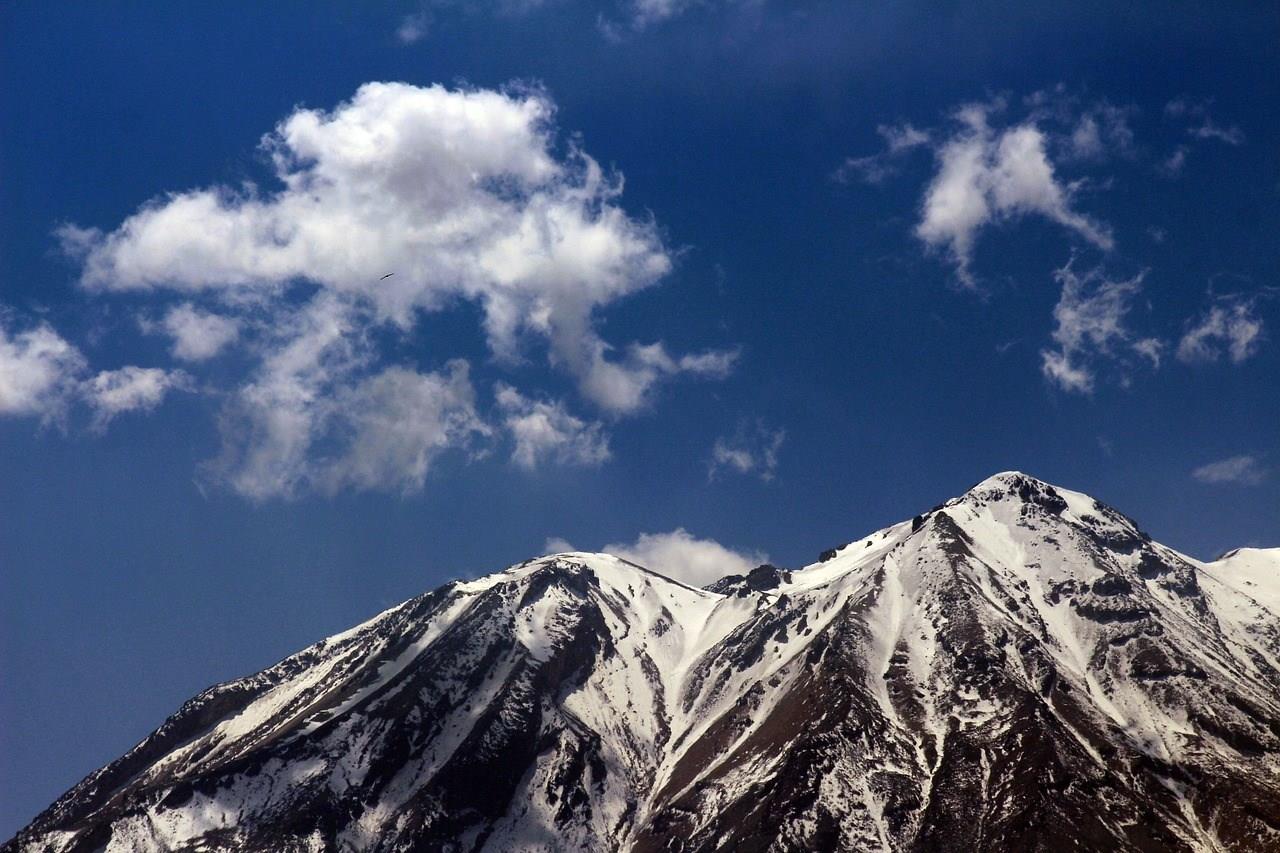
Arequipa, known as the "White City," is built from sillar, a pale volcanic stone that glows in the sunlight. This architectural detail gives the historic center its striking appearance and has earned it recognition as a UNESCO World Heritage Site. Towering above the city is the perfectly symmetrical Misti Volcano, which, along with two neighboring peaks, forms a dramatic backdrop. From colonial mansions to baroque churches carved from lava stone, Arequipa is a place where geology and history have shaped both the skyline and the culture.
The Monasterio de Santa Catalina is one of Arequipa’s most distinctive landmarks. Founded in 1579, this walled convent functioned as a city within a city for over three centuries. Today, its colorful alleys, courtyards, and frescoed chapels are open to the public, offering a glimpse into the cloistered lives of the nuns who once lived there. Another must-visit is the Museo Santuarios Andinos, home to "Juanita," the frozen Inca girl discovered on Mount Ampato, one of the most well-preserved mummies ever found. Her story provides a powerful insight into pre-Columbian rituals and mountain worship.
Outside the city, the Colca Canyon stretches across the high Andes and plunges deeper than the Grand Canyon. Visitors often rise before dawn to reach the Cruz del Cóndor viewpoint, where Andean condors glide on thermal currents just meters overhead. Along the way, ancient terraced fields built by the Collagua and Cabana cultures are still used today by local farmers growing maize, quinoa, and potatoes. Small towns like Chivay and Yanque offer hot springs and Andean music performances in their central plazas.