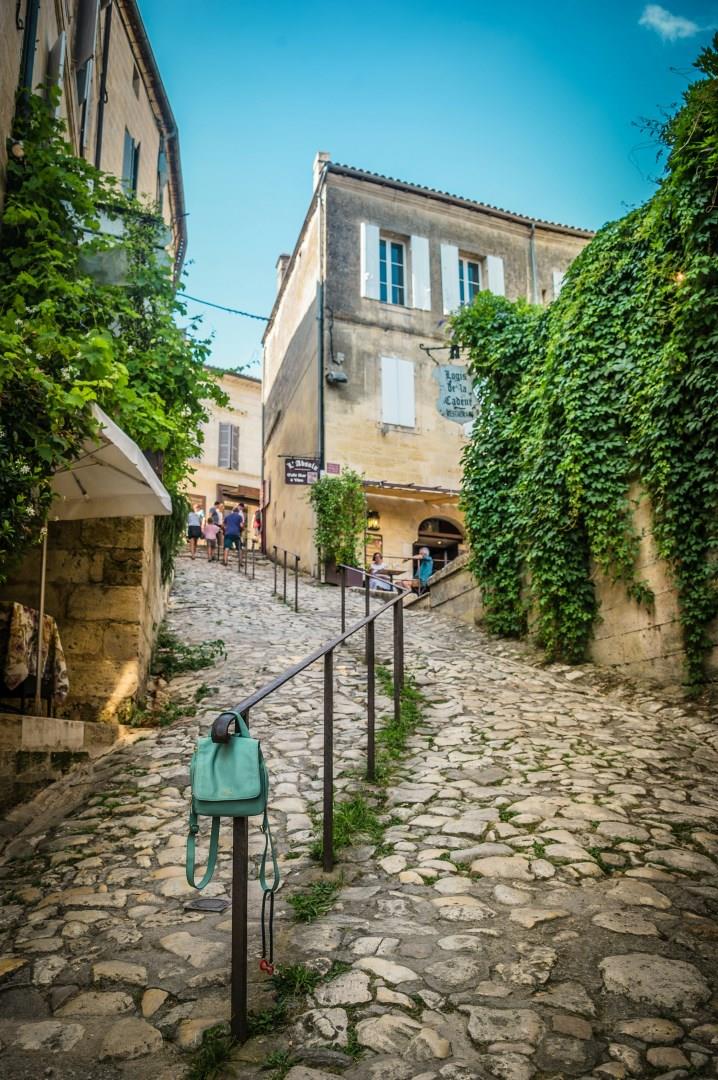
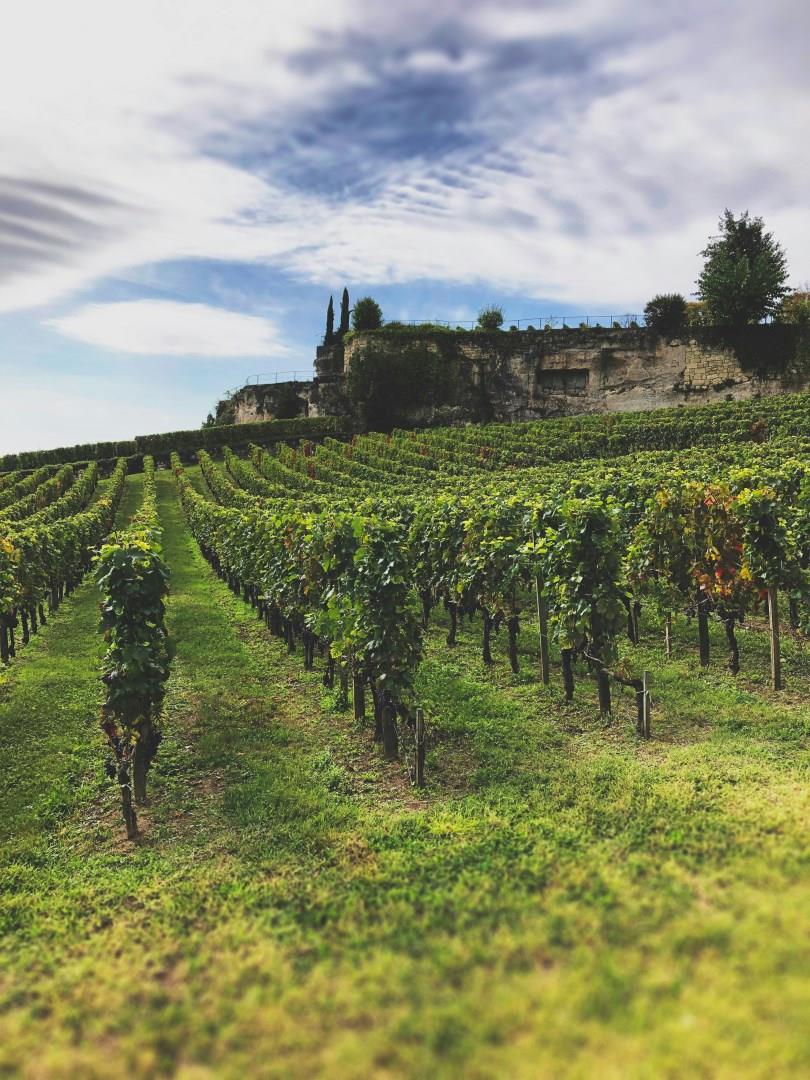
Saint-Émilion, nestled in the heart of southwest France, is a living monument to centuries of craftsmanship, faith, and wine-making. Recognized as a UNESCO World Heritage Site since 1999, this medieval town sits on a limestone plateau surrounded by vineyards that date back to Roman times. Visitors can explore cobbled streets that wind past centuries-old stone houses, descend into underground catacombs carved by monks, and visit the astonishing Monolithic Church, a vast sanctuary carved entirely from rock beneath the town itself.
The region is world-famous for its wine, and for good reason. Saint-Émilion is one of Bordeaux’s most prestigious appellations, producing reds that are rich, structured, and made to age. Dozens of family-run estates welcome visitors for tastings, some housed in grand châteaux, others in humble 18th-century farmhouses. Among the most notable are Château Ausone and Château Cheval Blanc, both Premier Grand Cru Classé A estates. Even those unfamiliar with wine will find joy in the scenic vineyard tours, often led by the winemakers themselves.
Saint-Émilion also invites discovery through its underground world. The town sits atop a network of tunnels and quarries, much of it open to visitors through guided tours. One fascinating stop is the Trinity Chapel, where you’ll find ancient graffiti etched into the stone by pilgrims on the Camino de Santiago. Another is the hermitage cave of Saint Émilion himself, a Benedictine monk who lived as a recluse in the 8th century and gave the town its name. According to local legend, he performed miracles from that very spot.