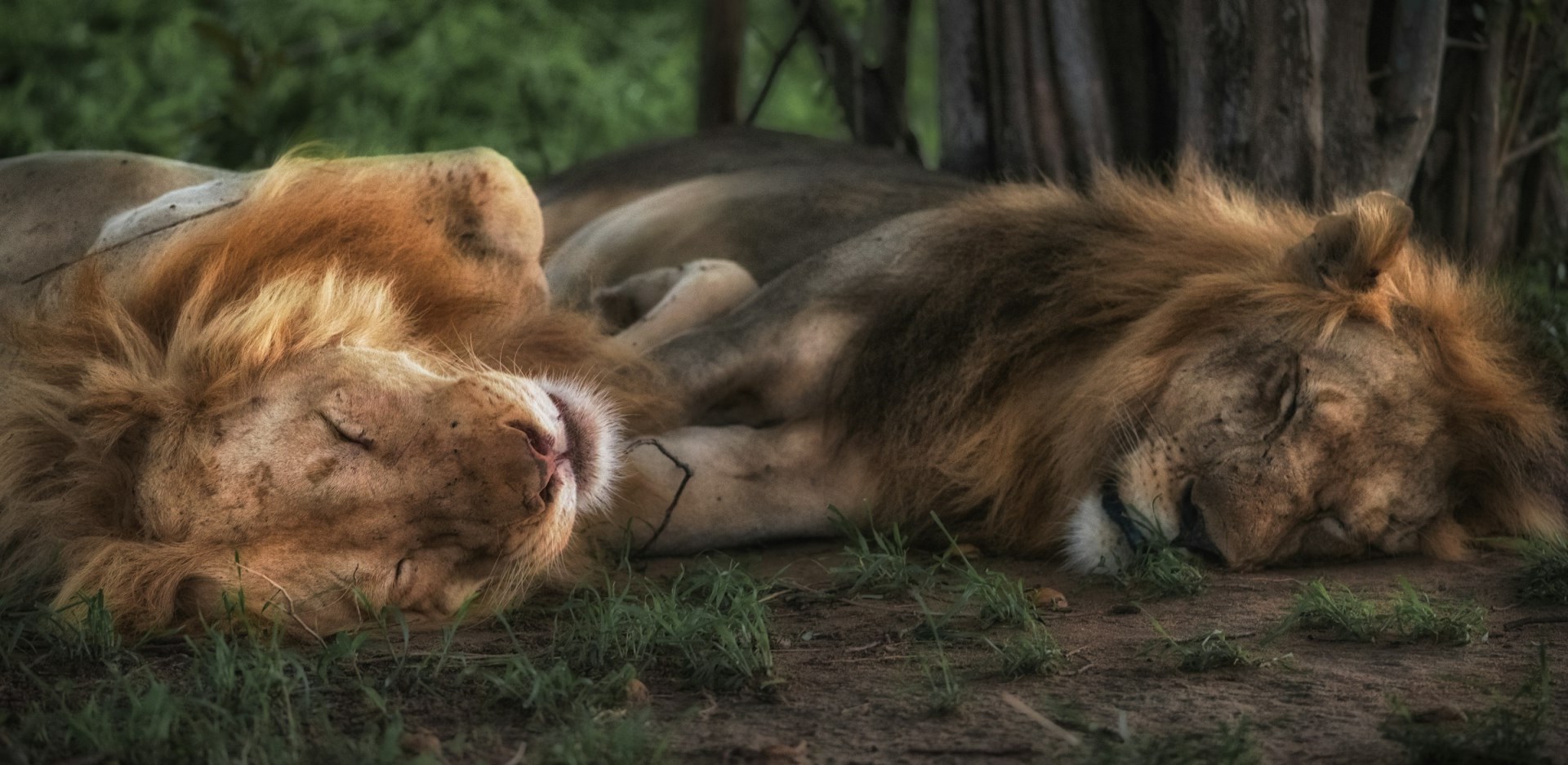
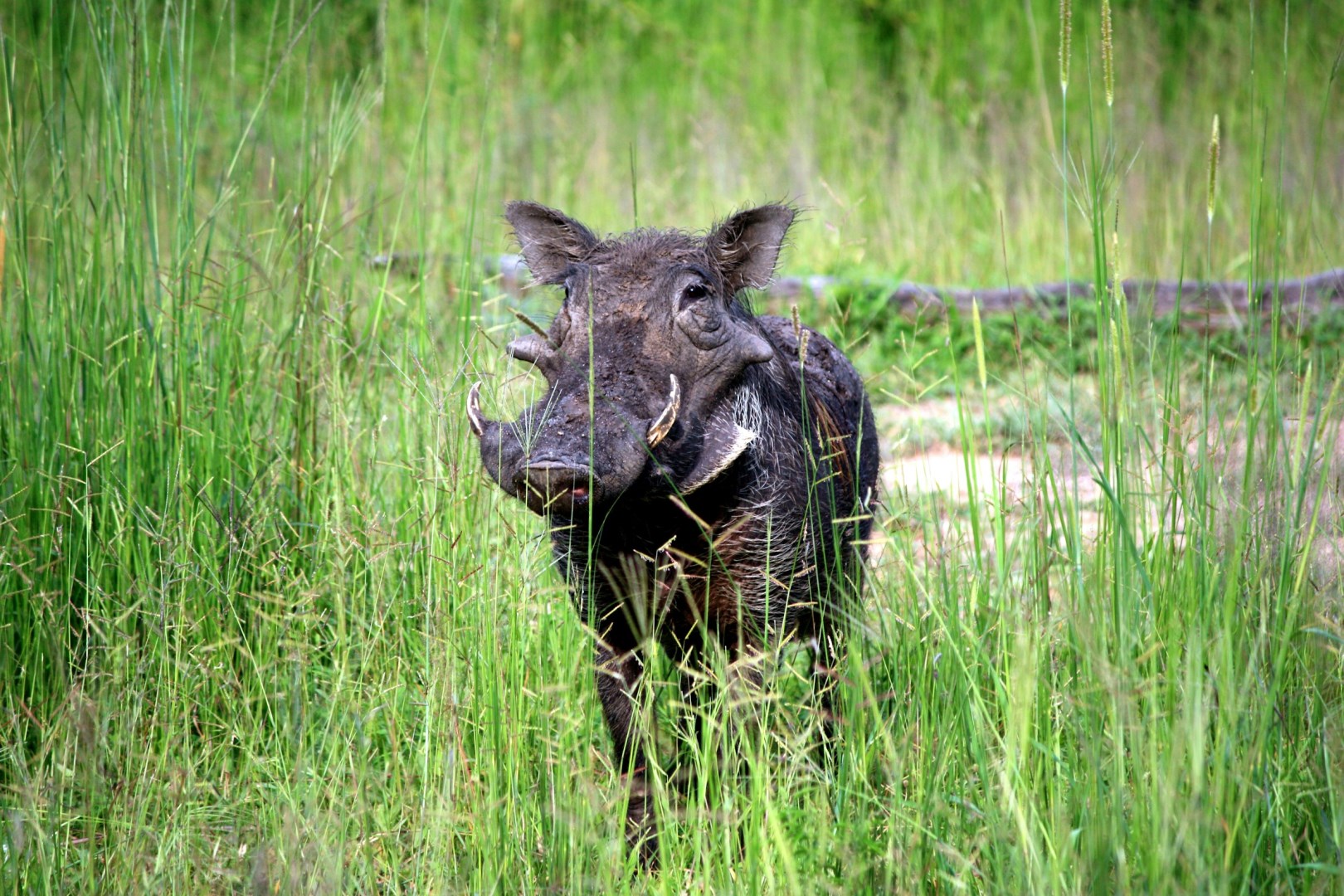
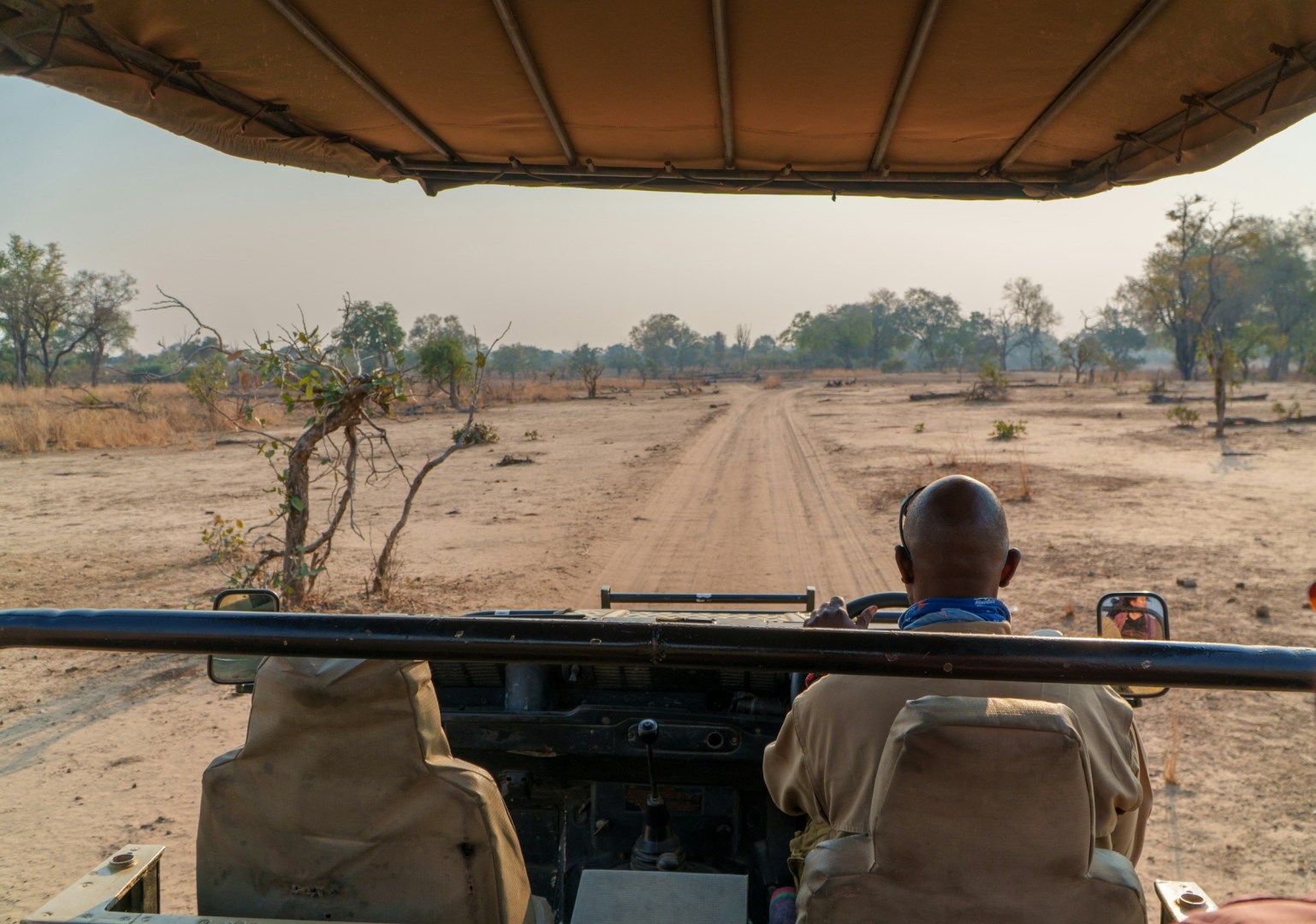
South Luangwa National Park in eastern Zambia is one of Africa’s most treasured wildlife areas, lying along the lush bends of the Luangwa River. Designated as a protected area in the 1970s, it stands out for its consistently high wildlife densities and landscapes that shift with the seasons. Dry grasslands, shaded woodlands, and green floodplains all unfold beneath wide skies, shaping the canvas for memorable animal sightings. This park is especially famous as the place where guided walking safaris were first developed, offering a different way to appreciate the land and its creatures.
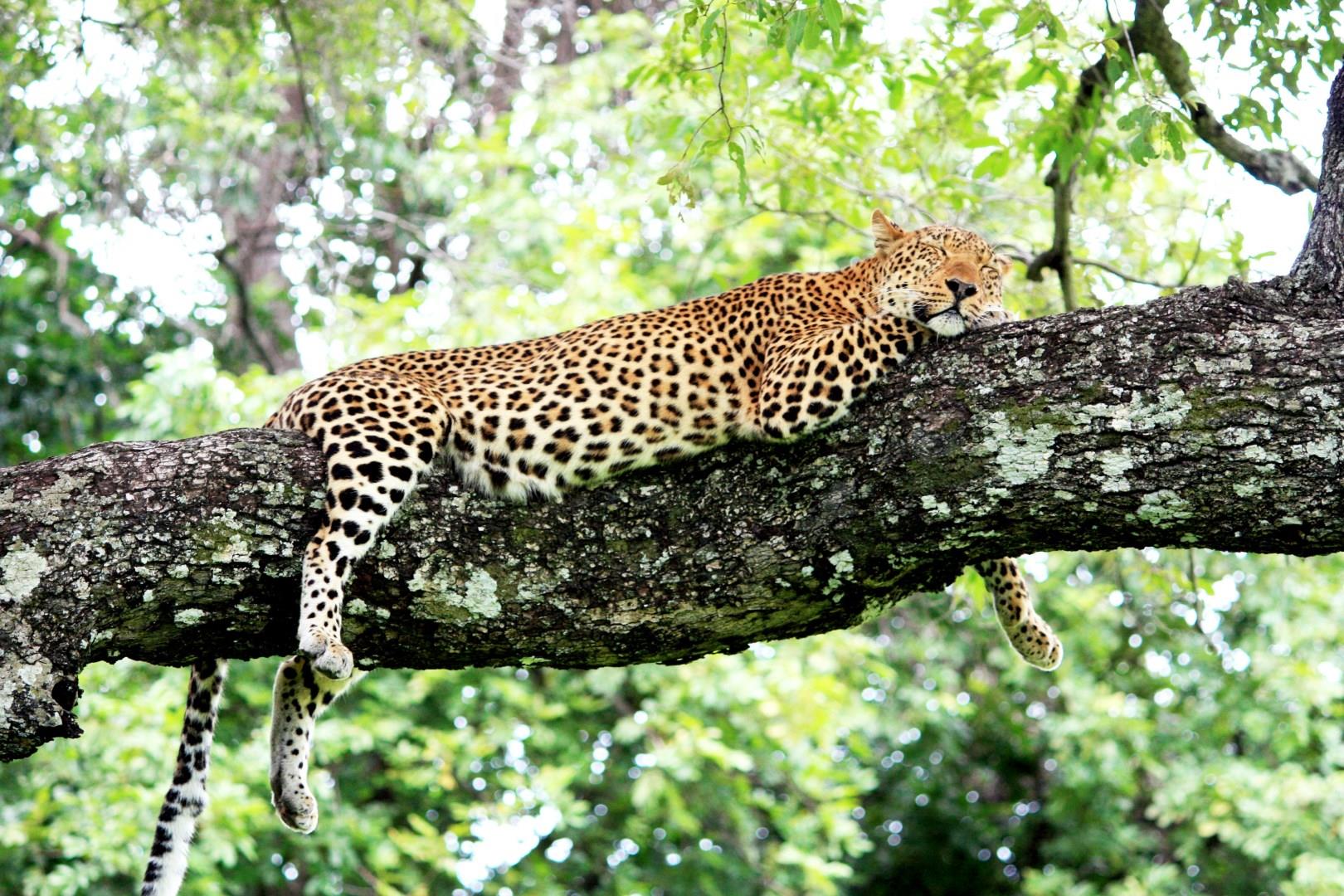
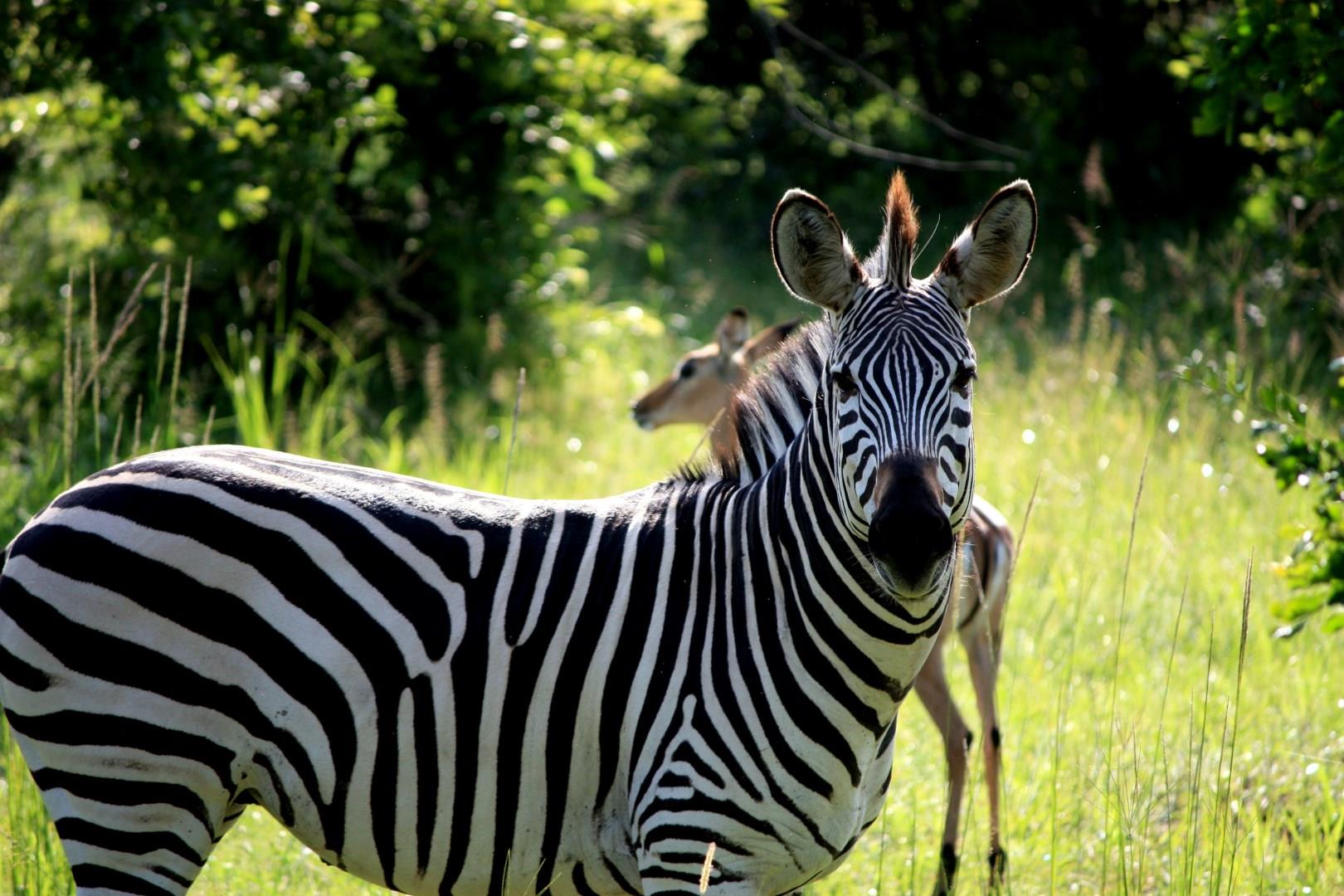
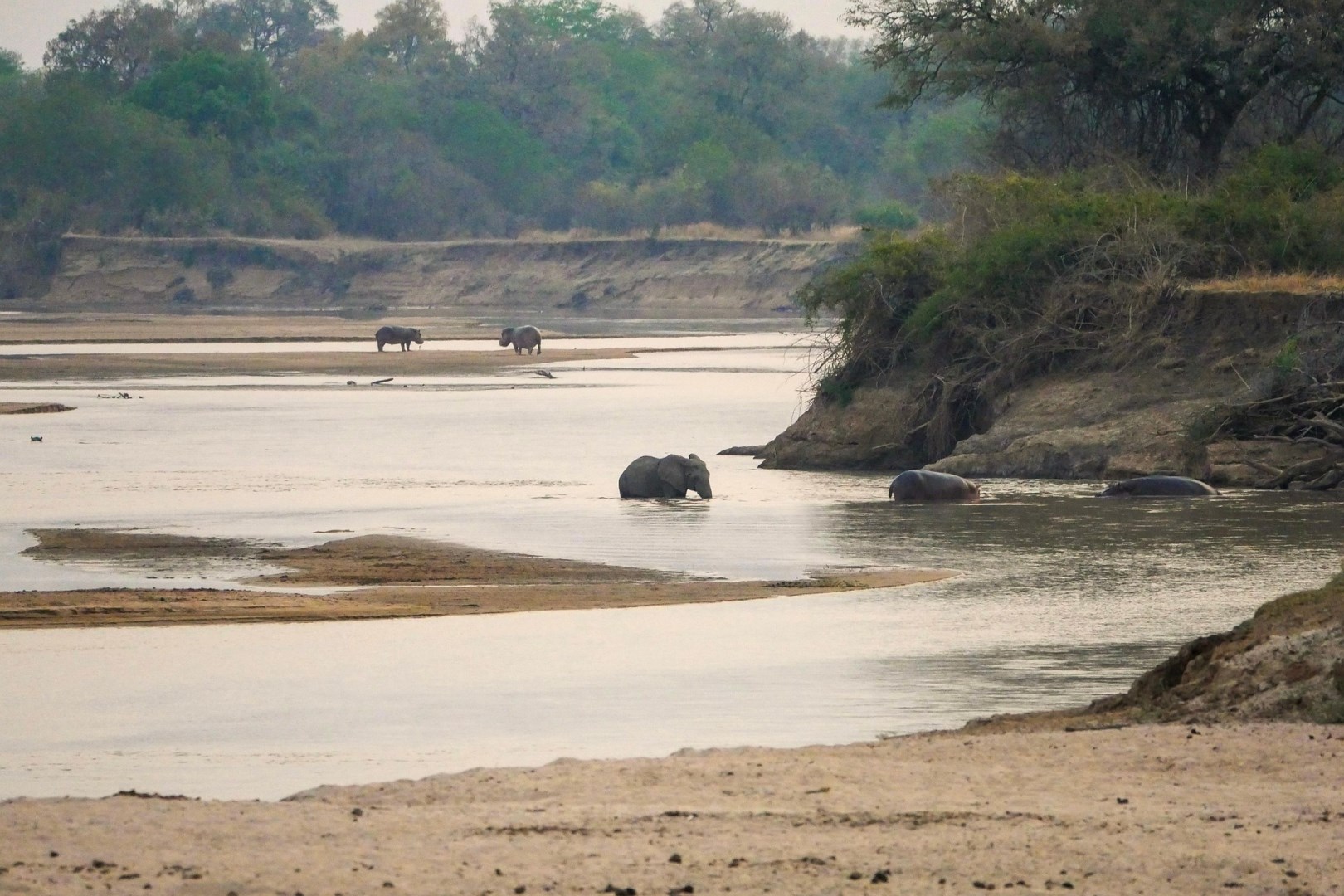
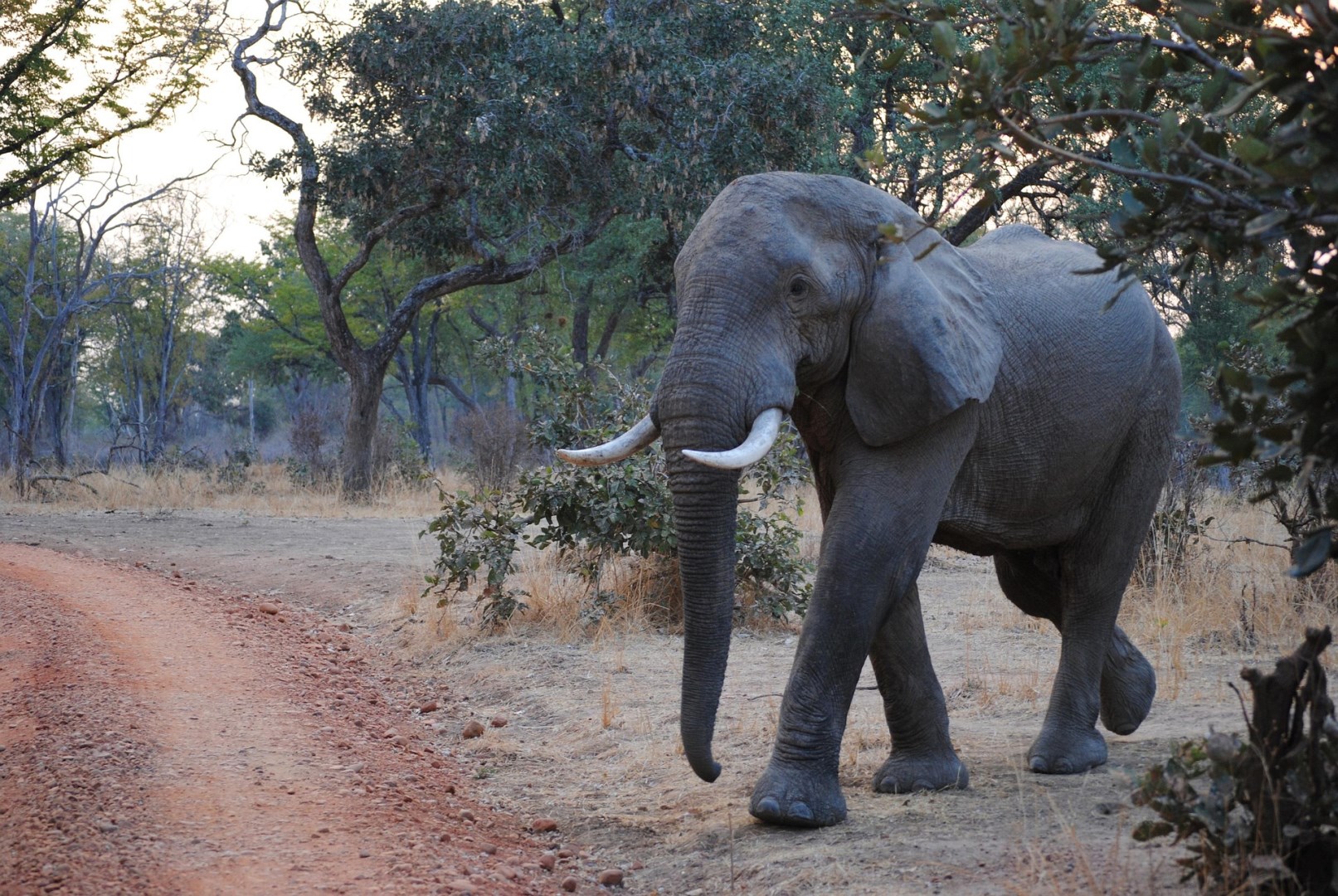
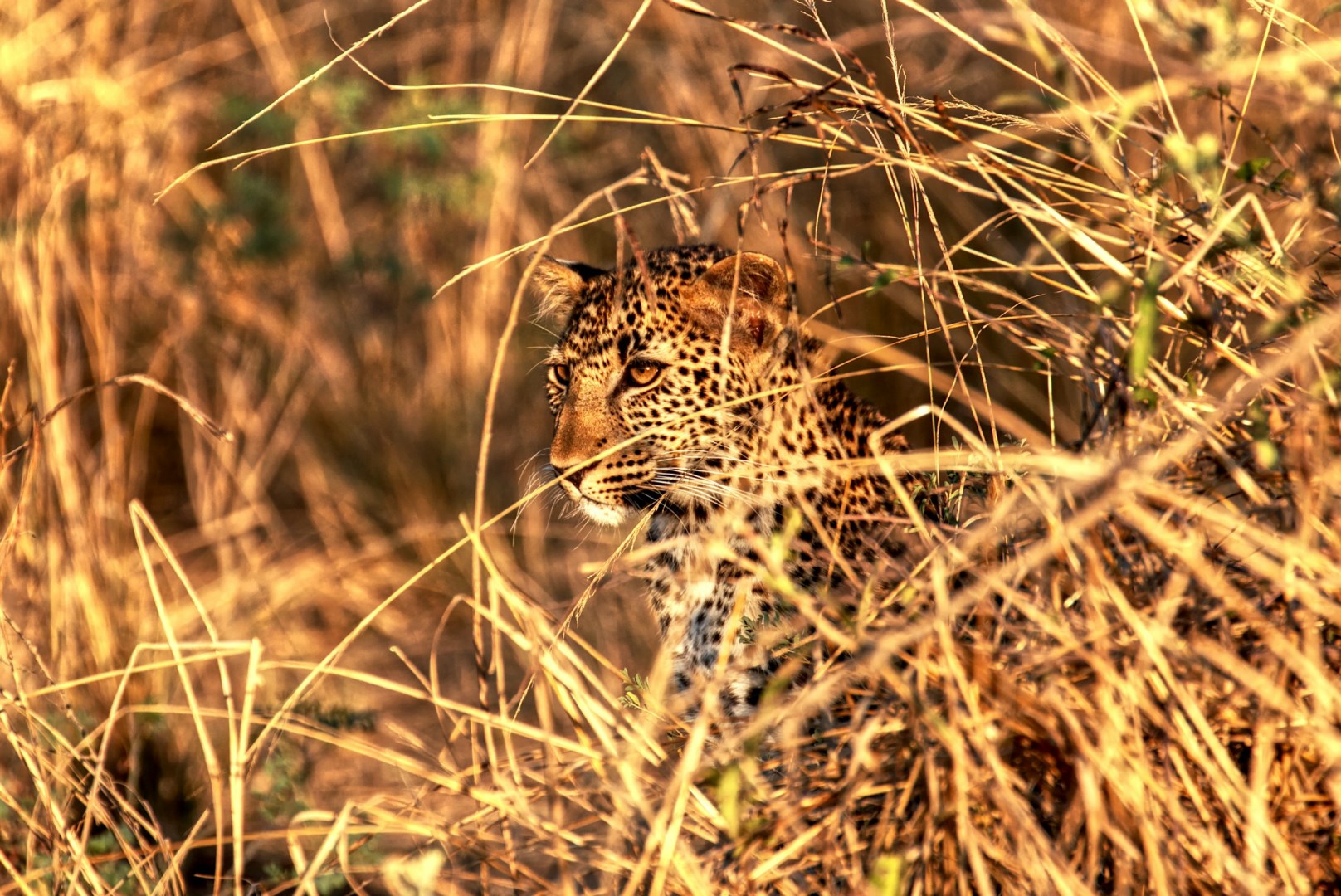
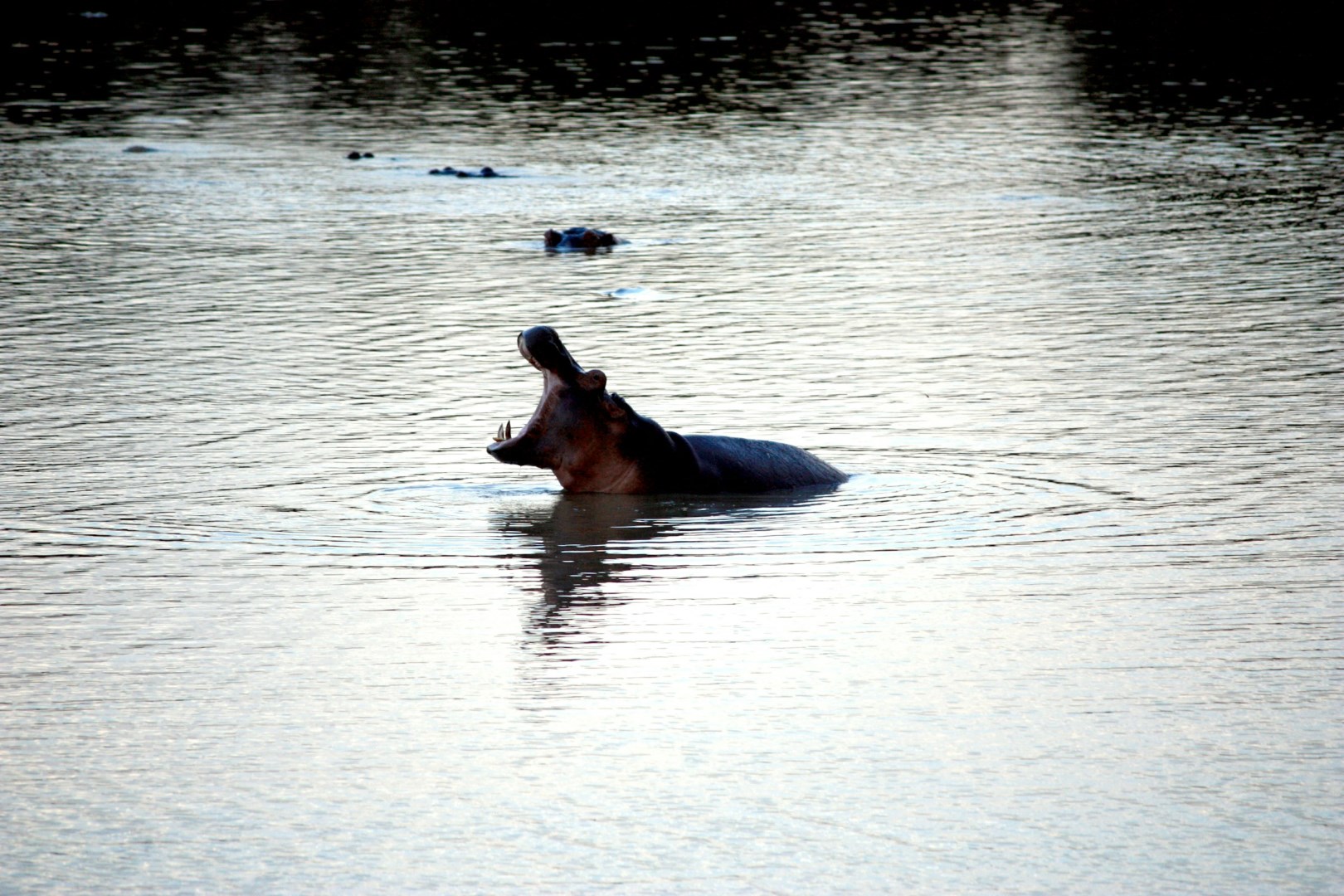
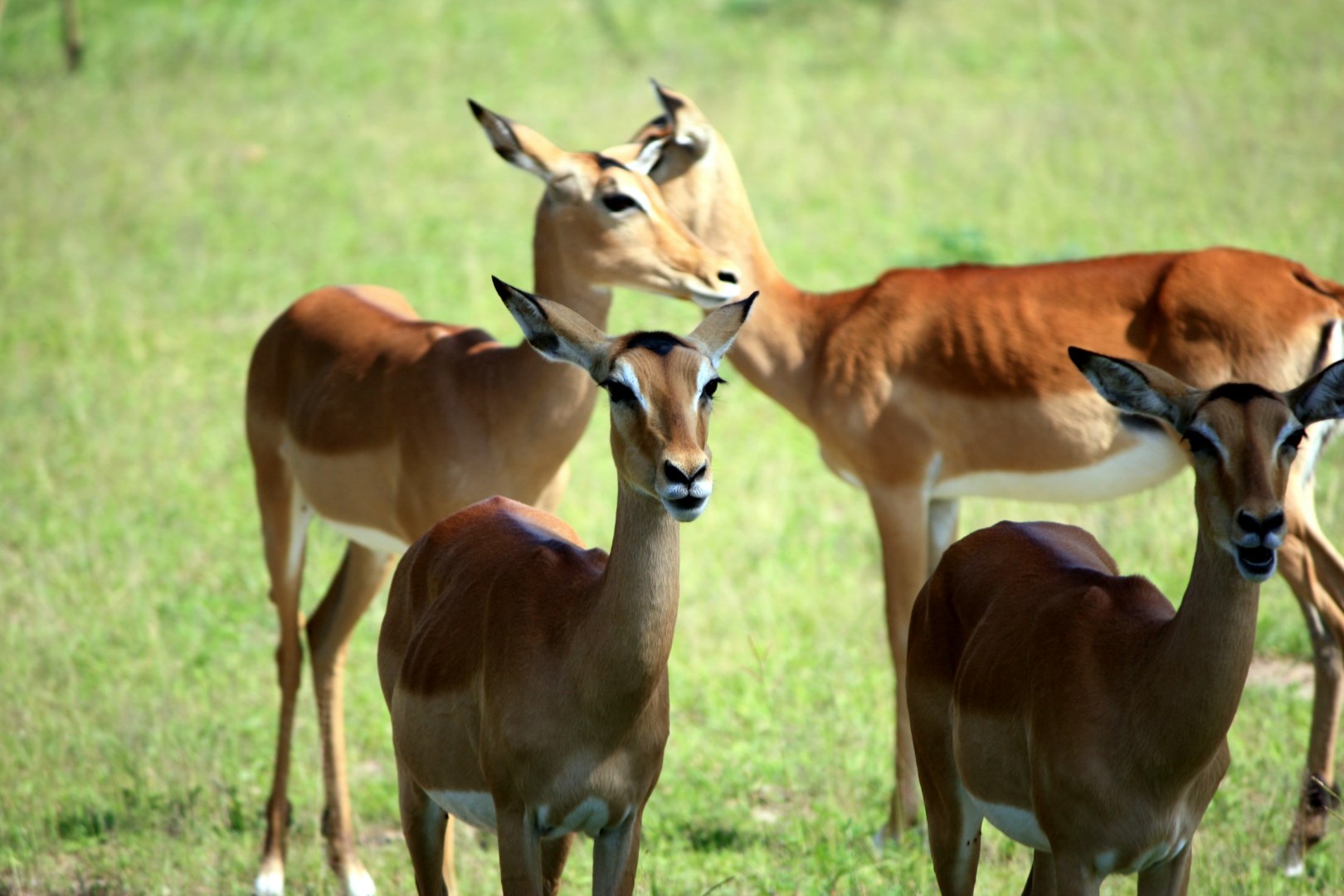
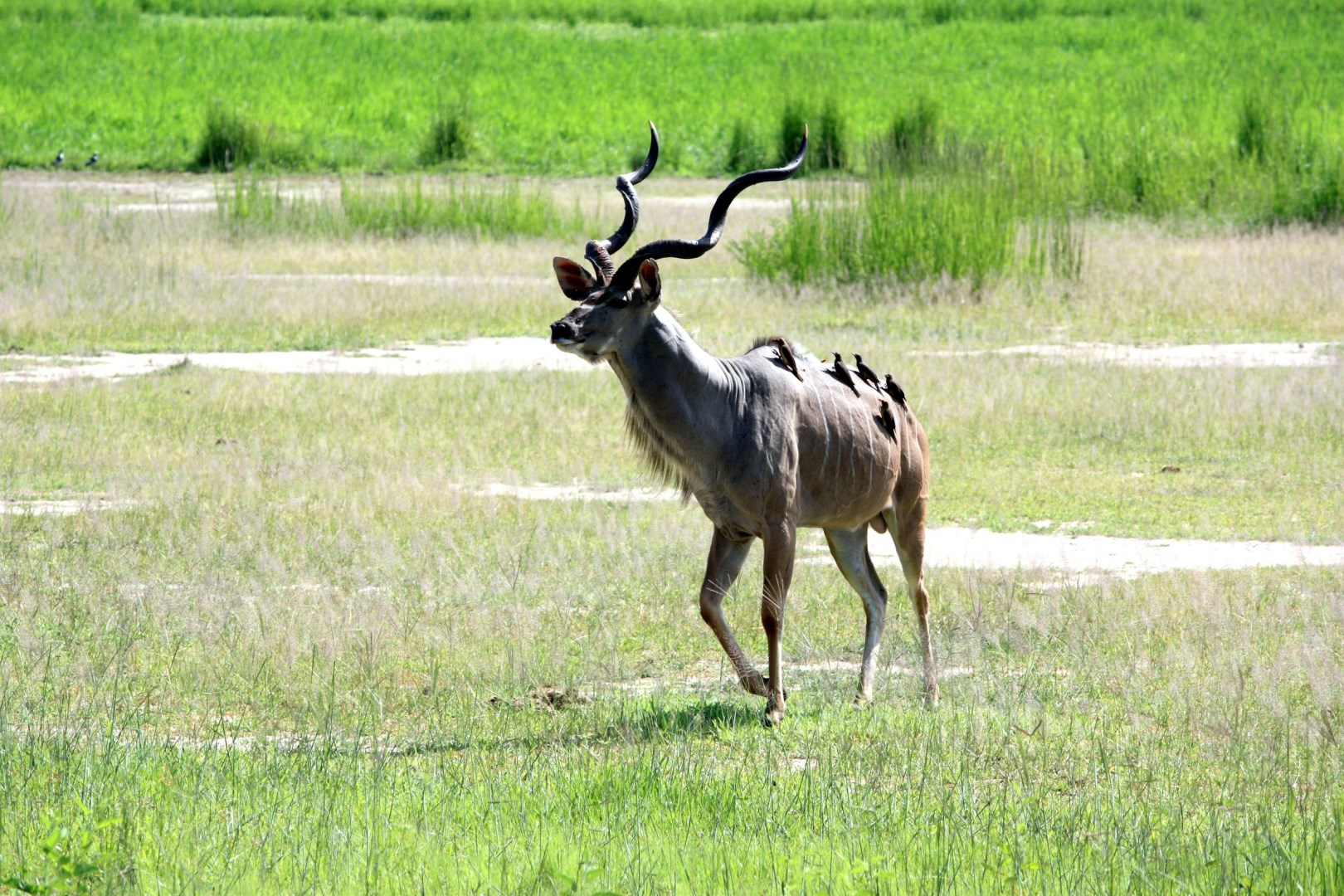
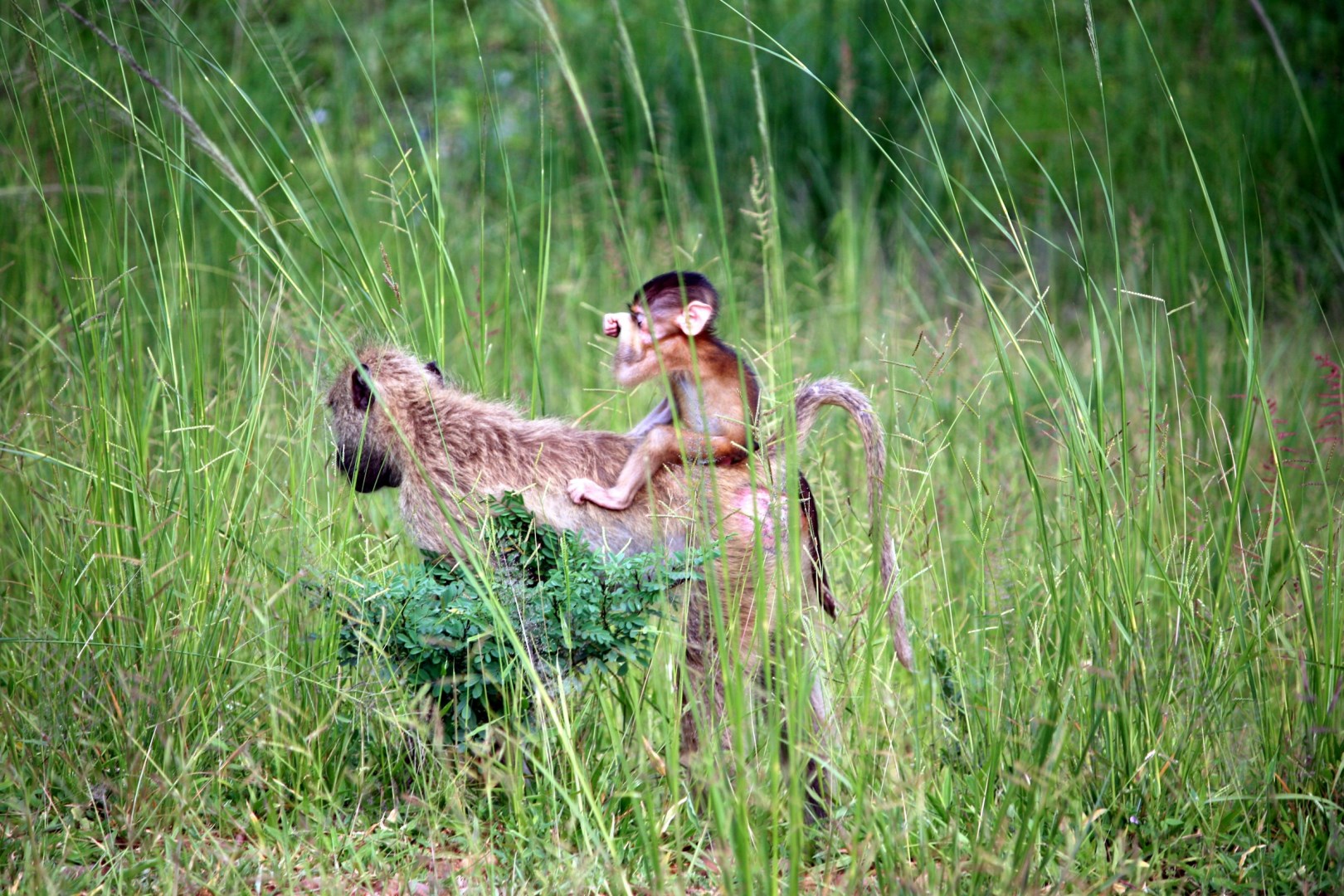
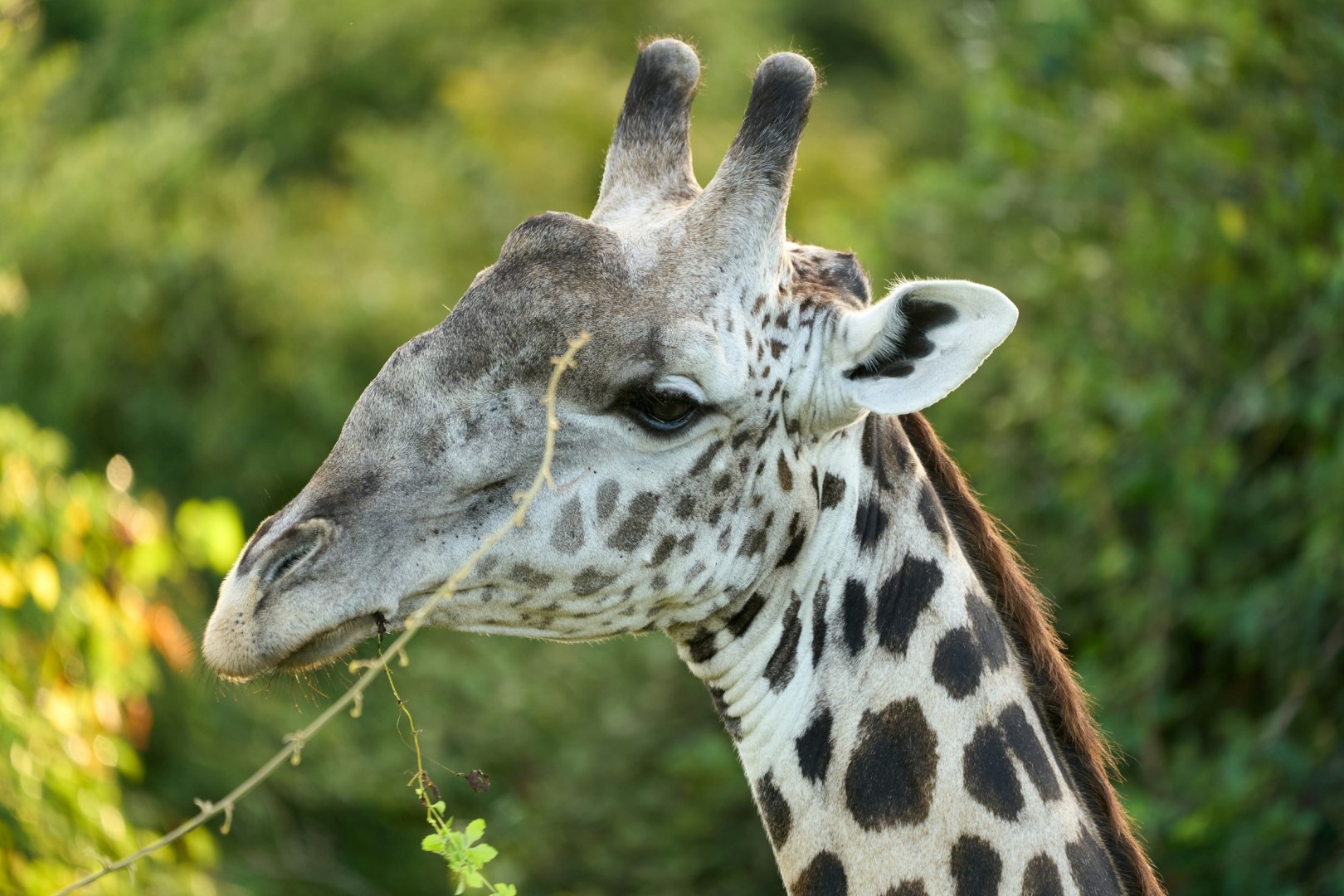
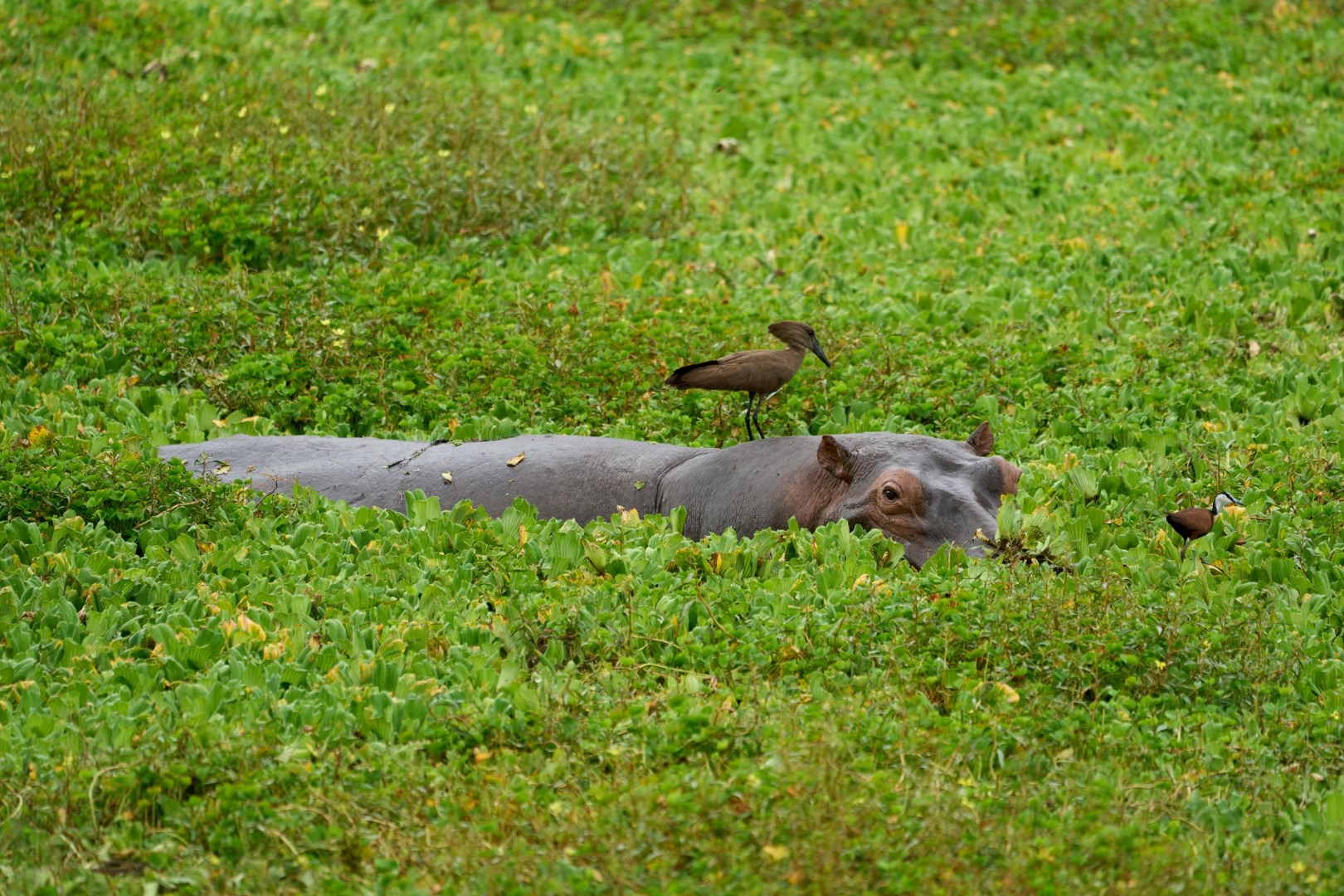
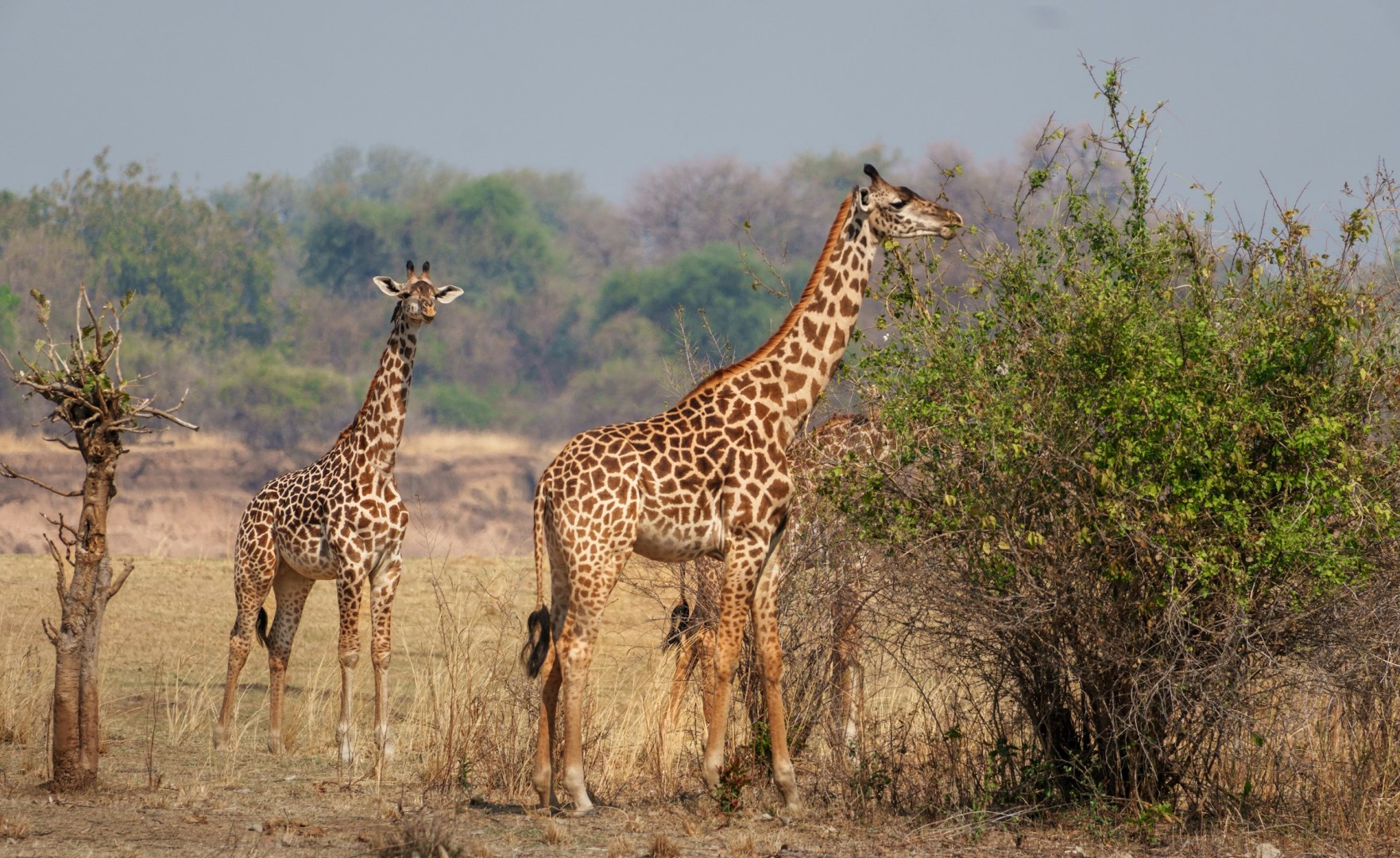
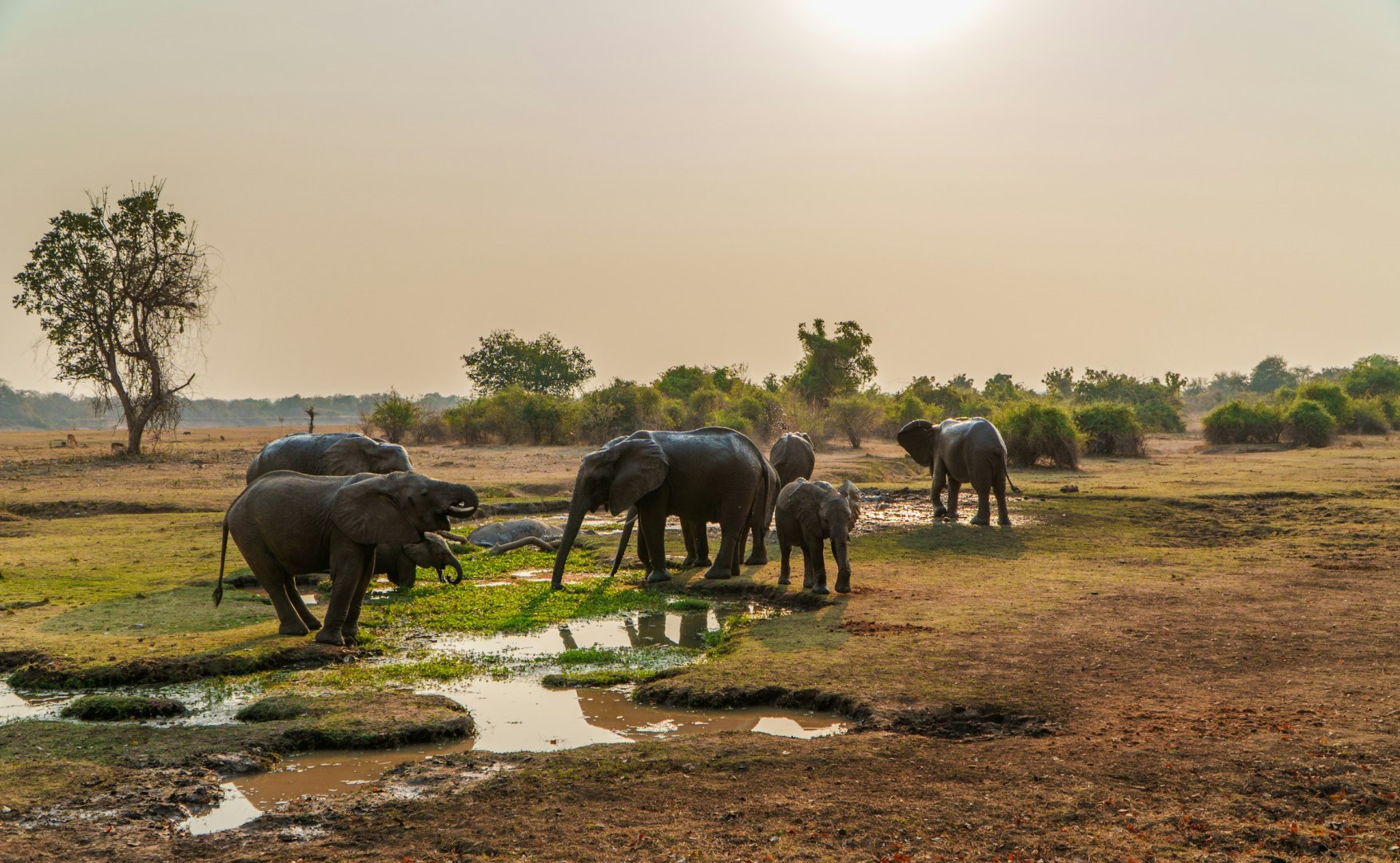
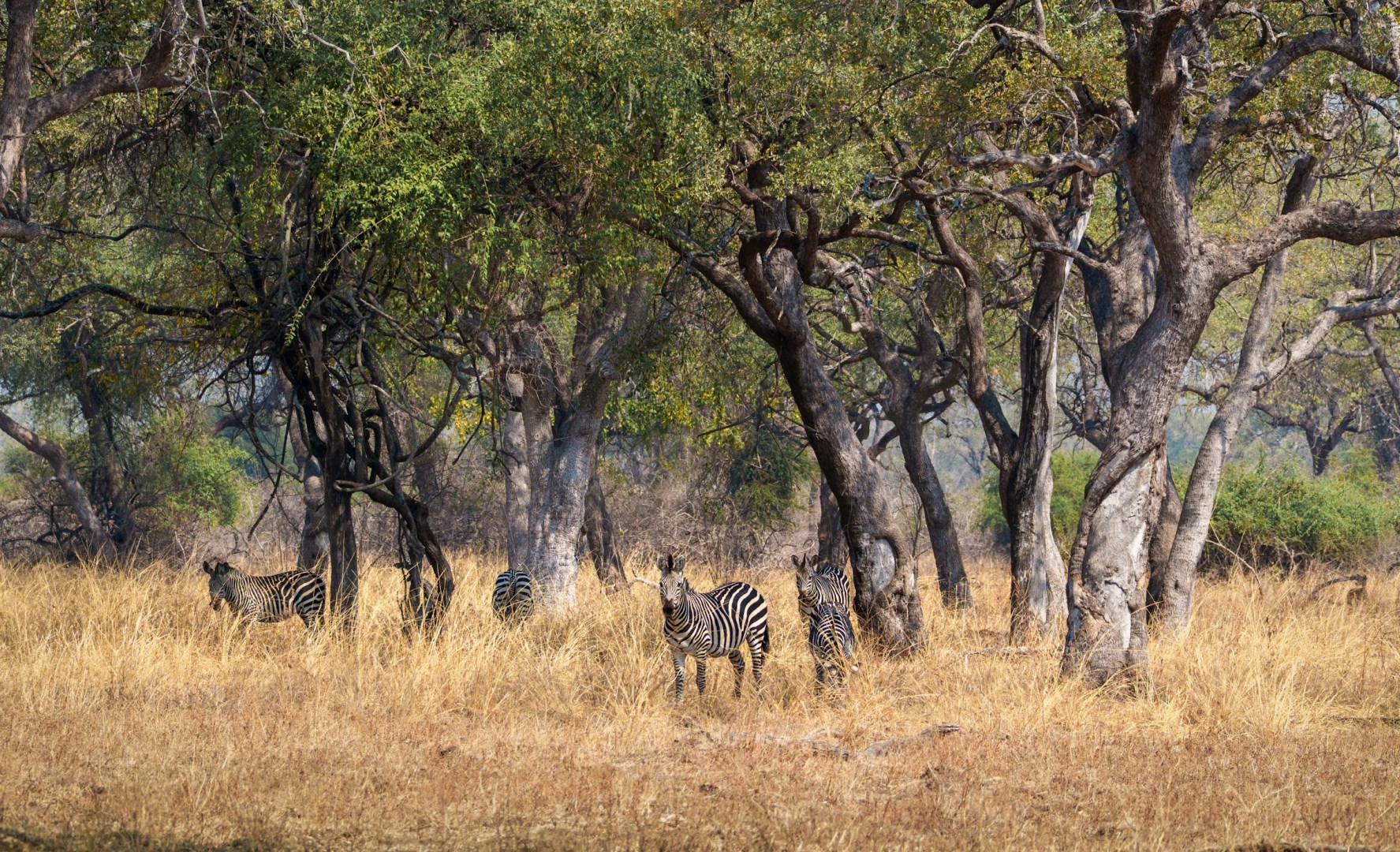
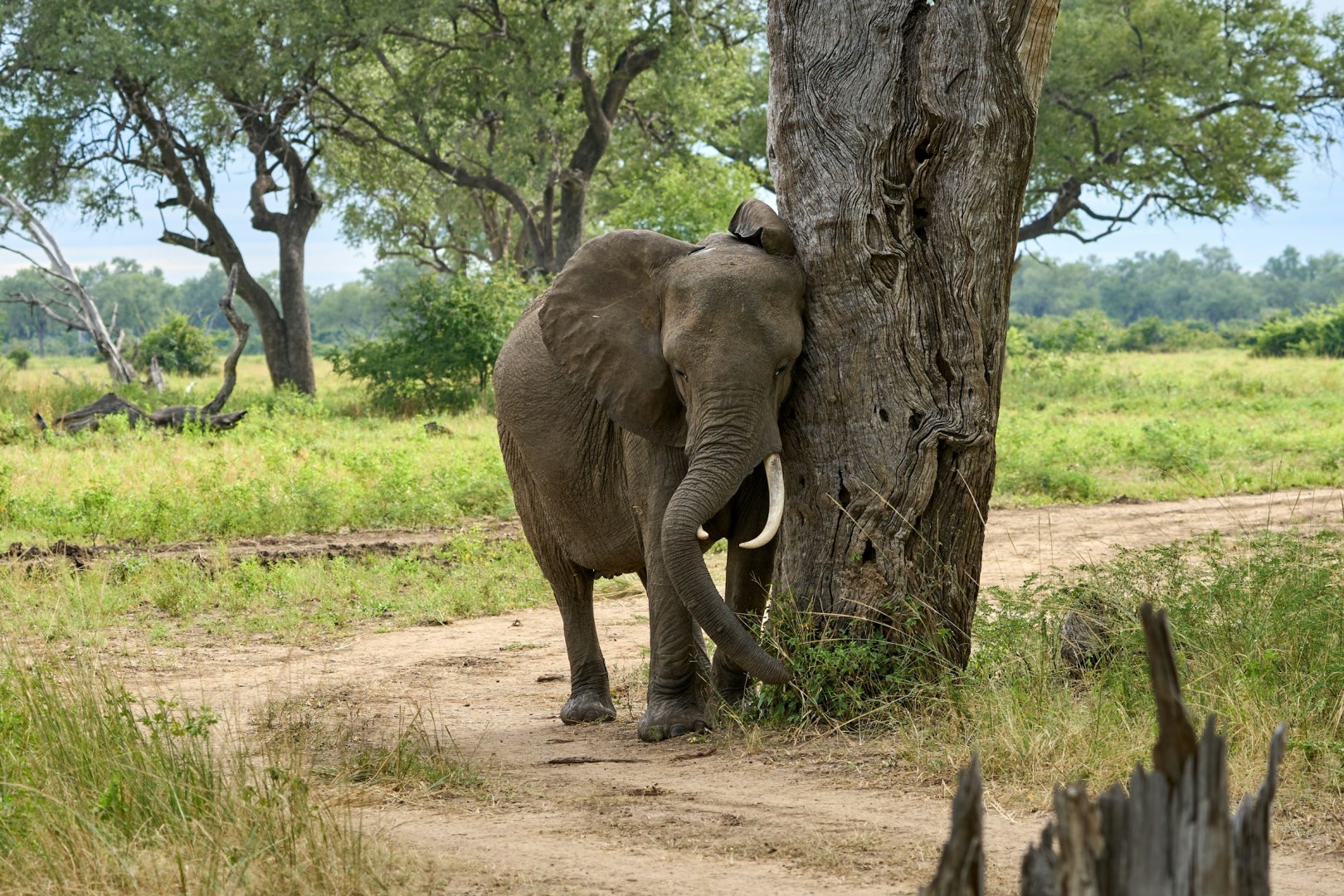
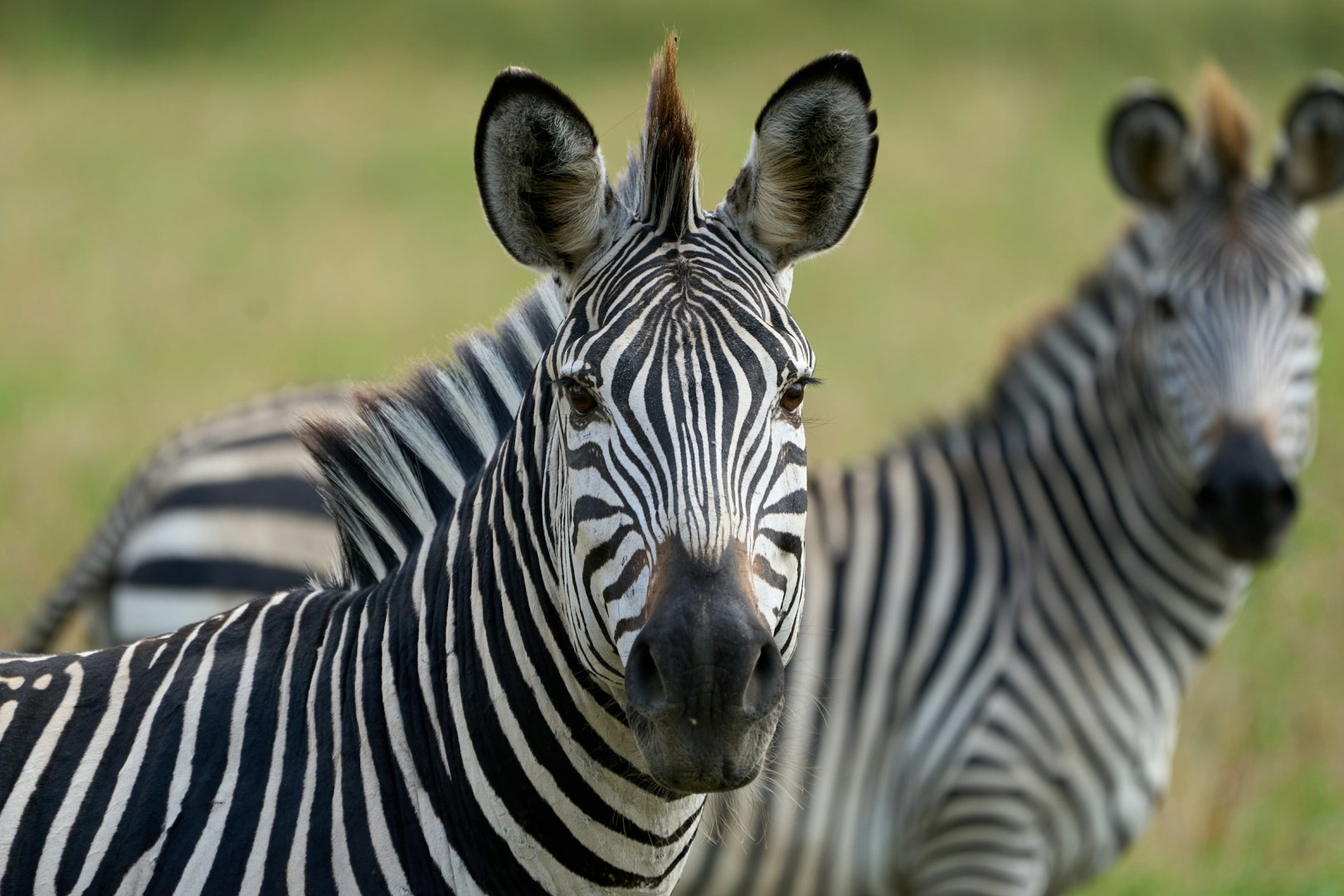
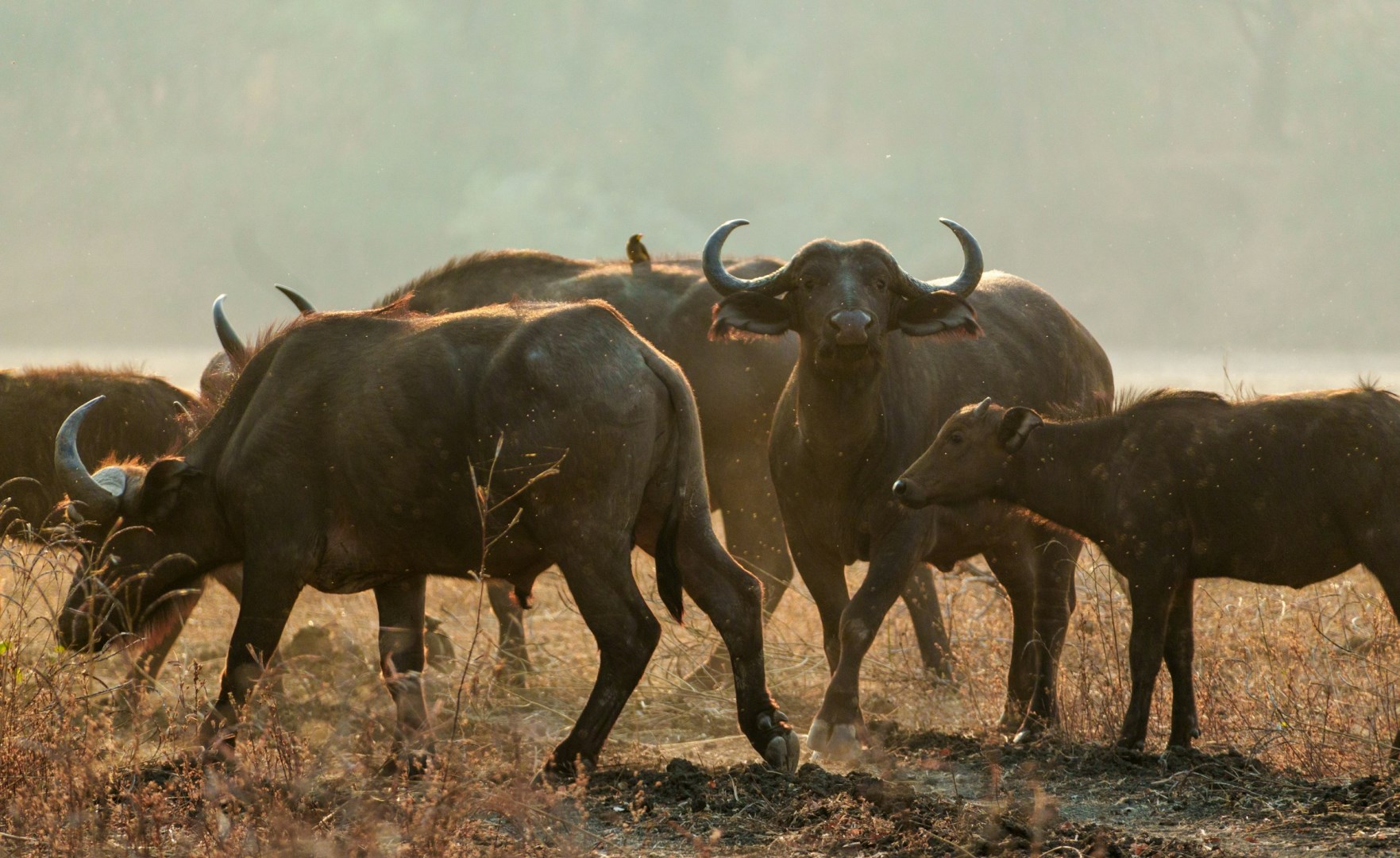
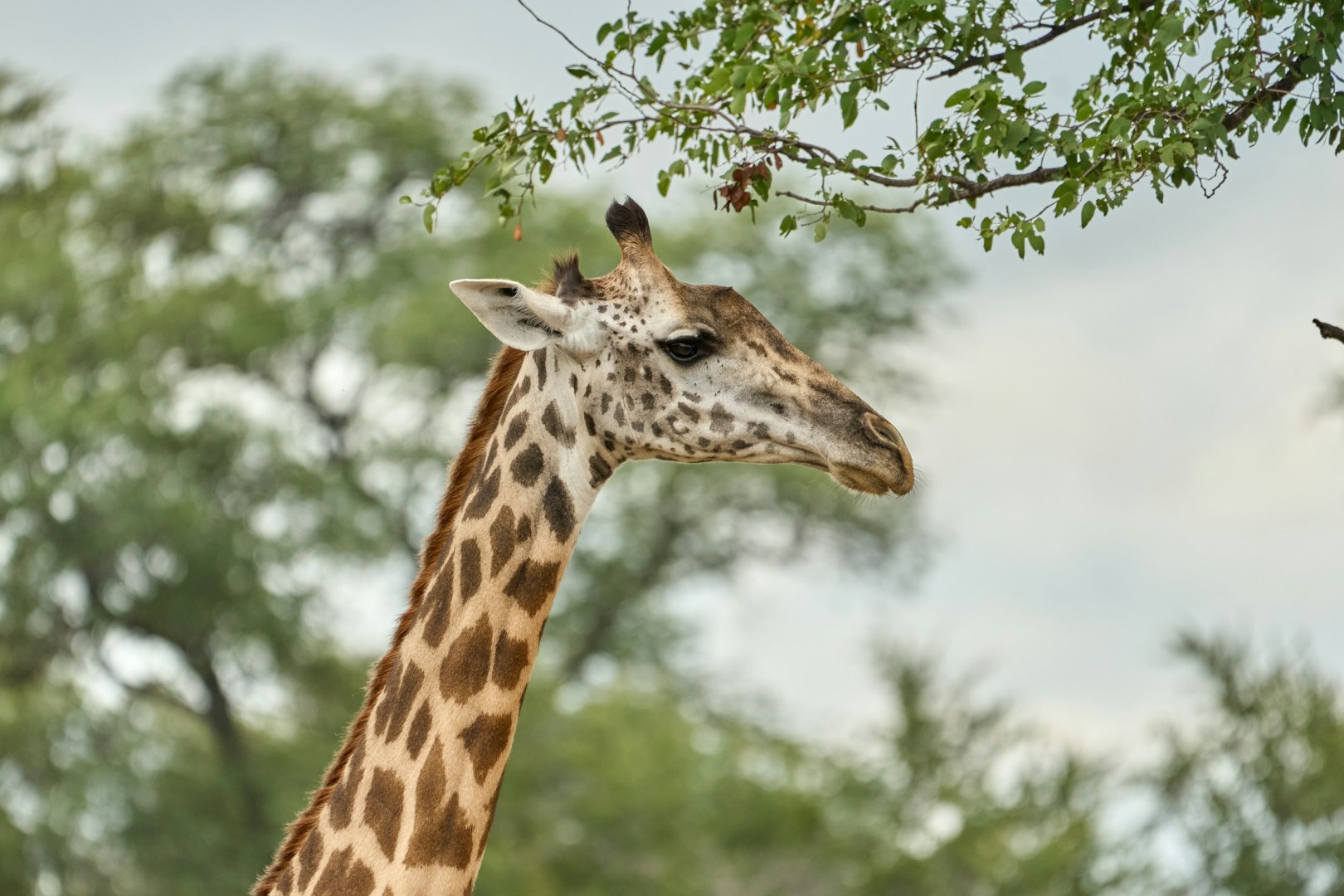
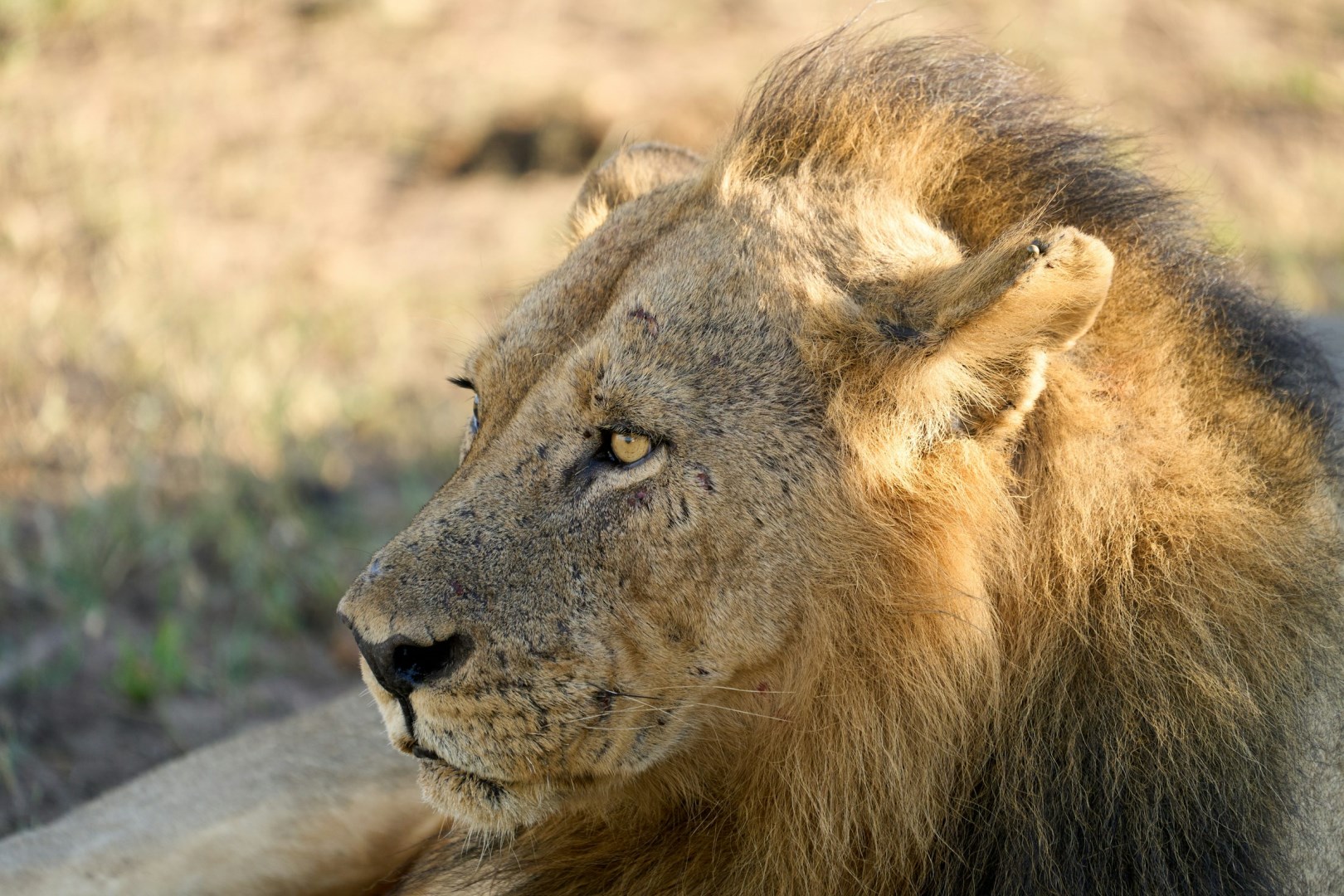
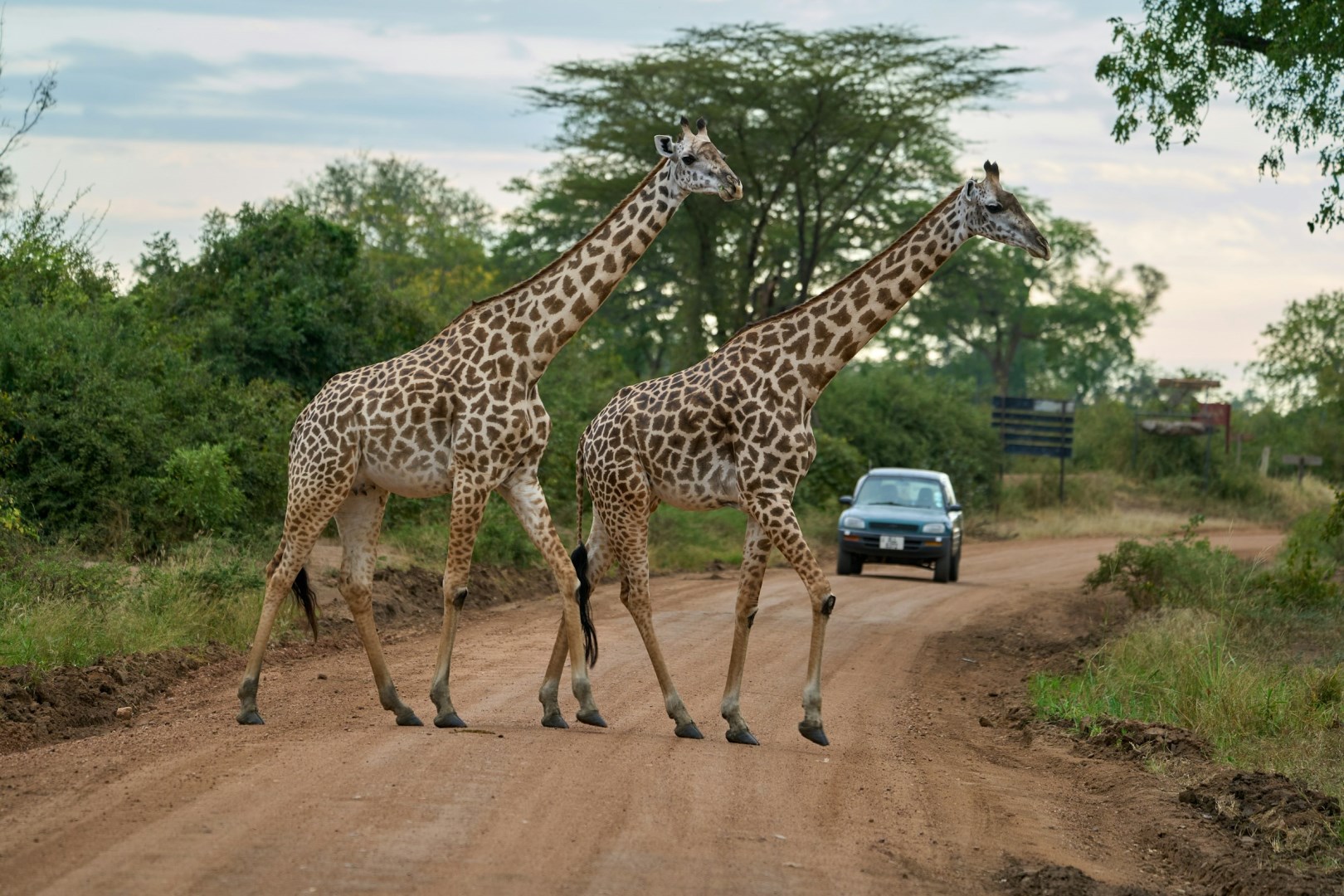
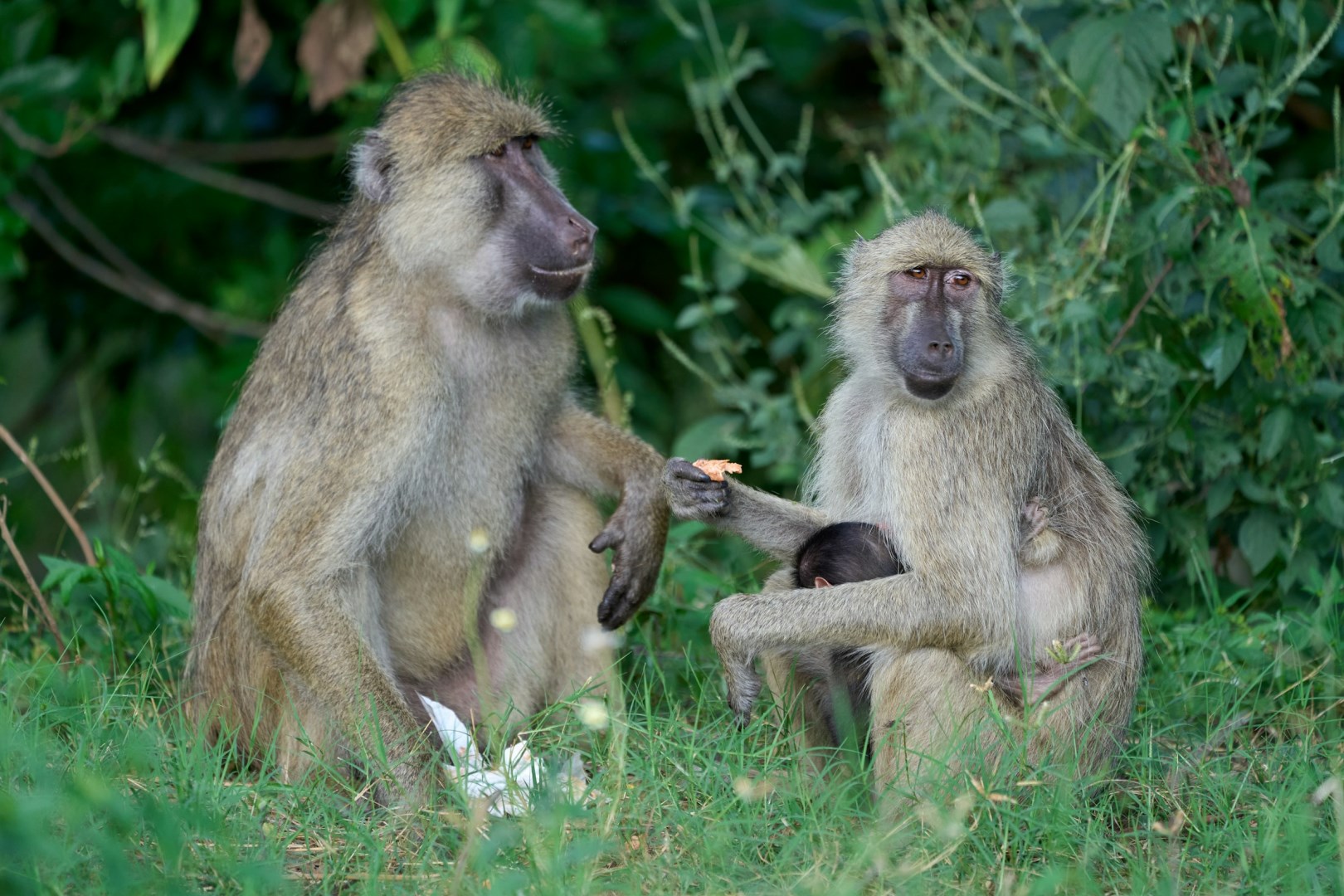
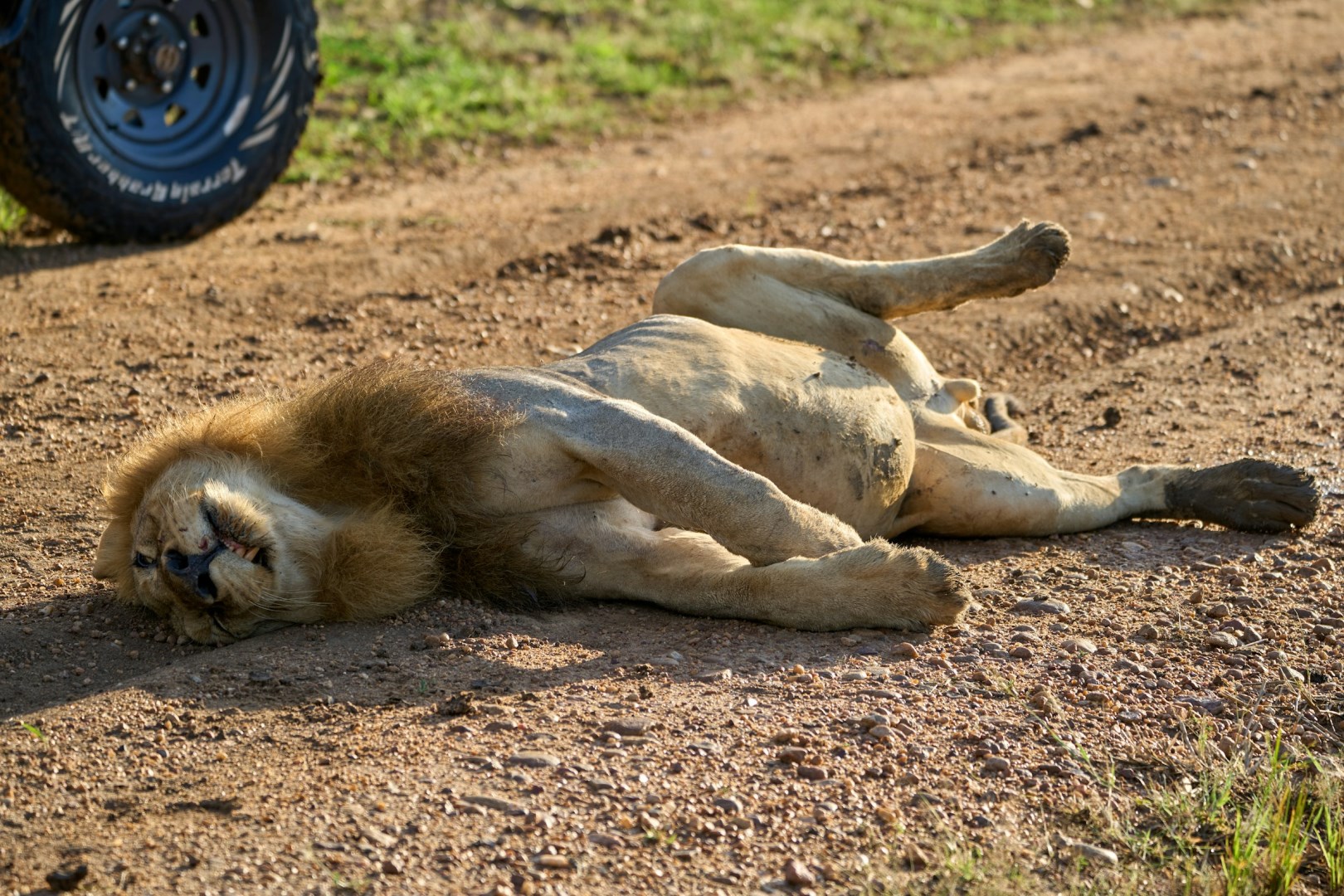
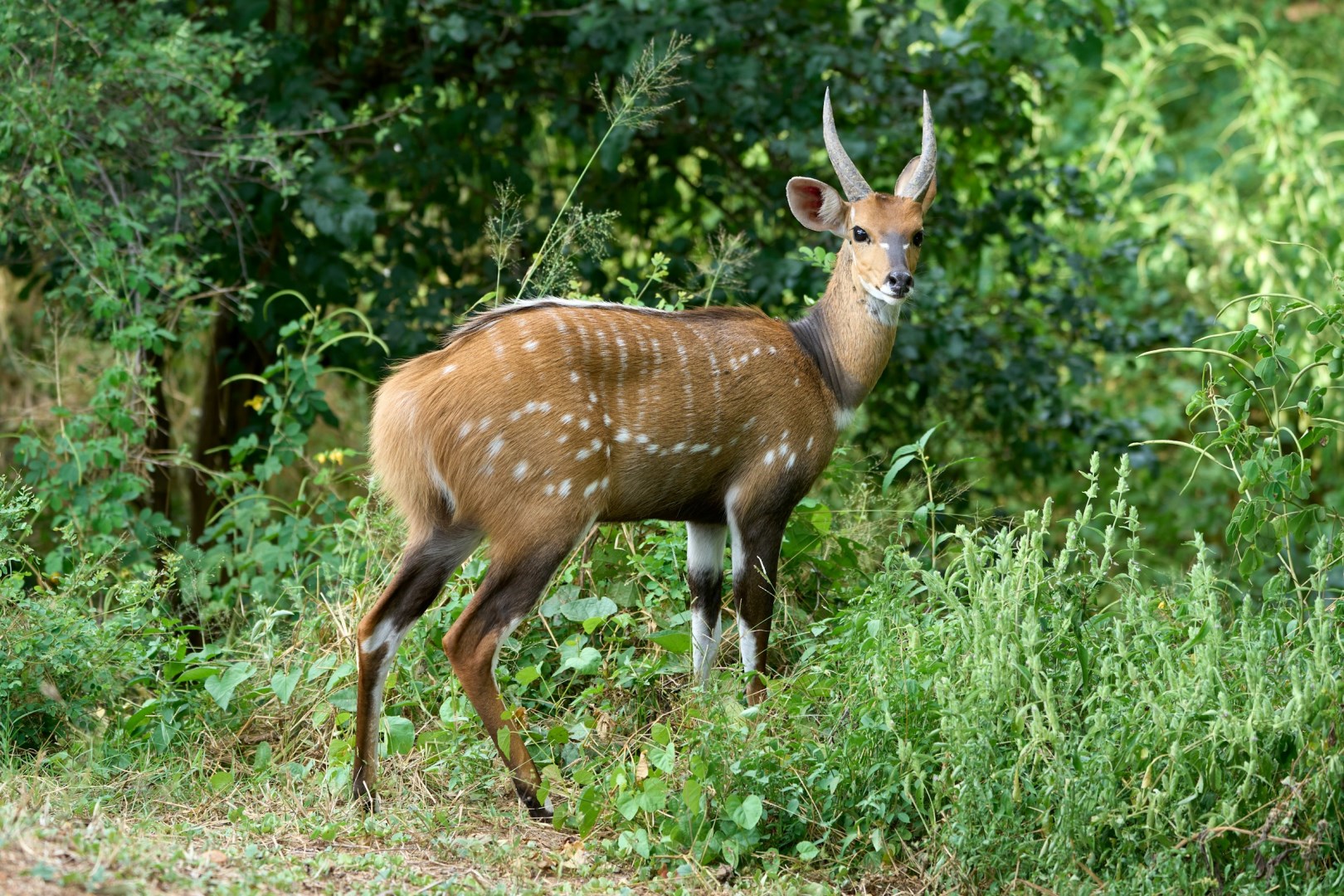
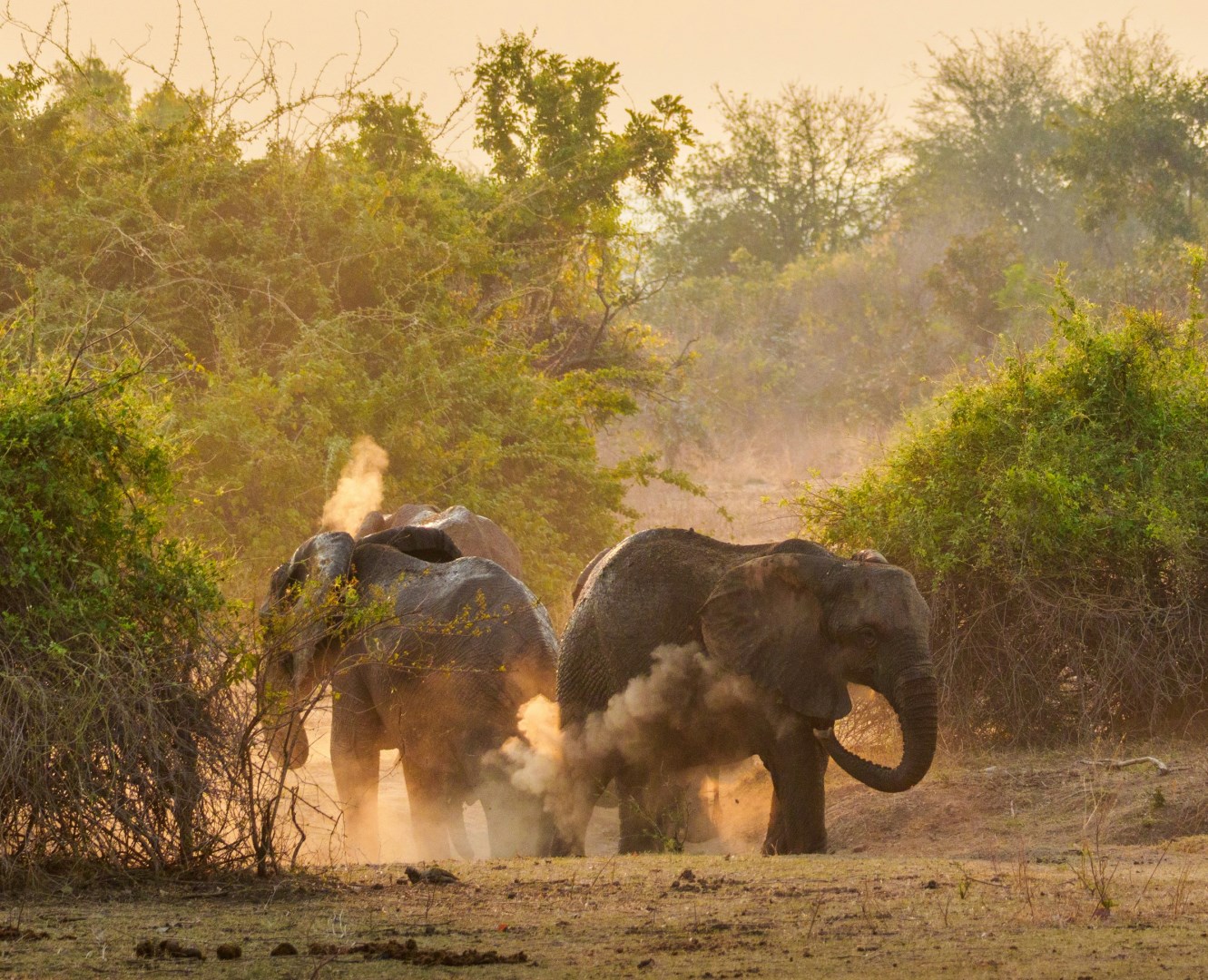
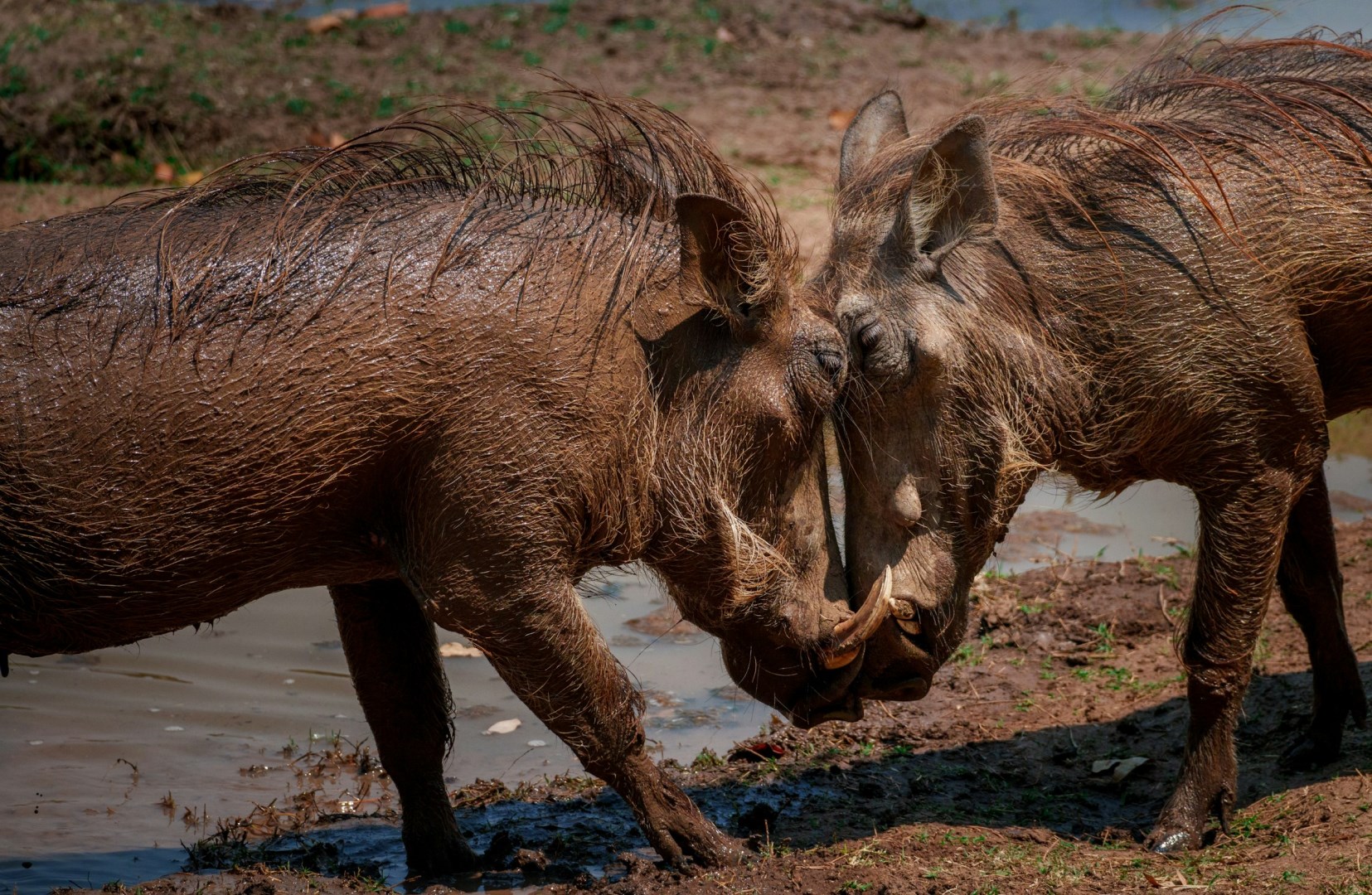
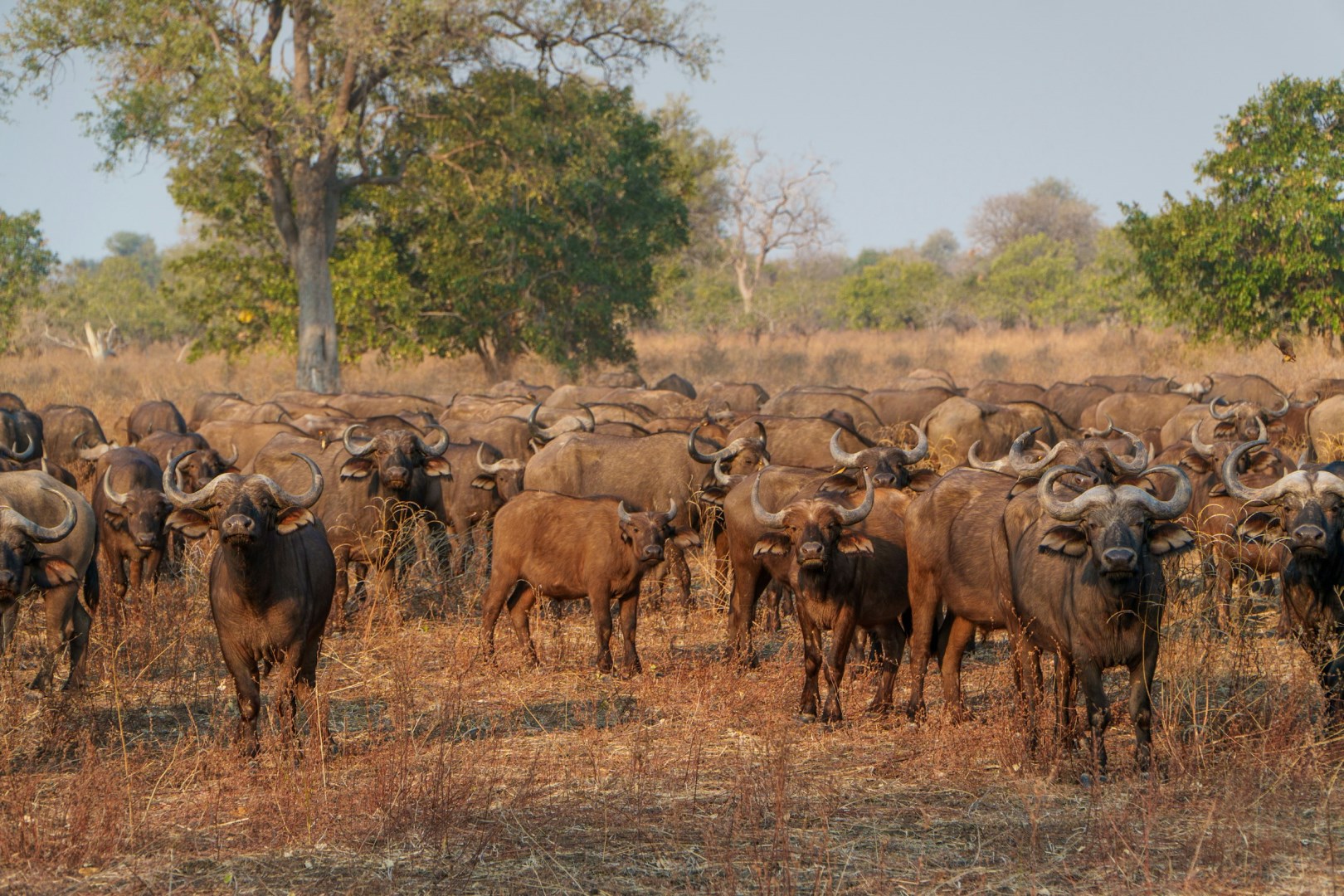
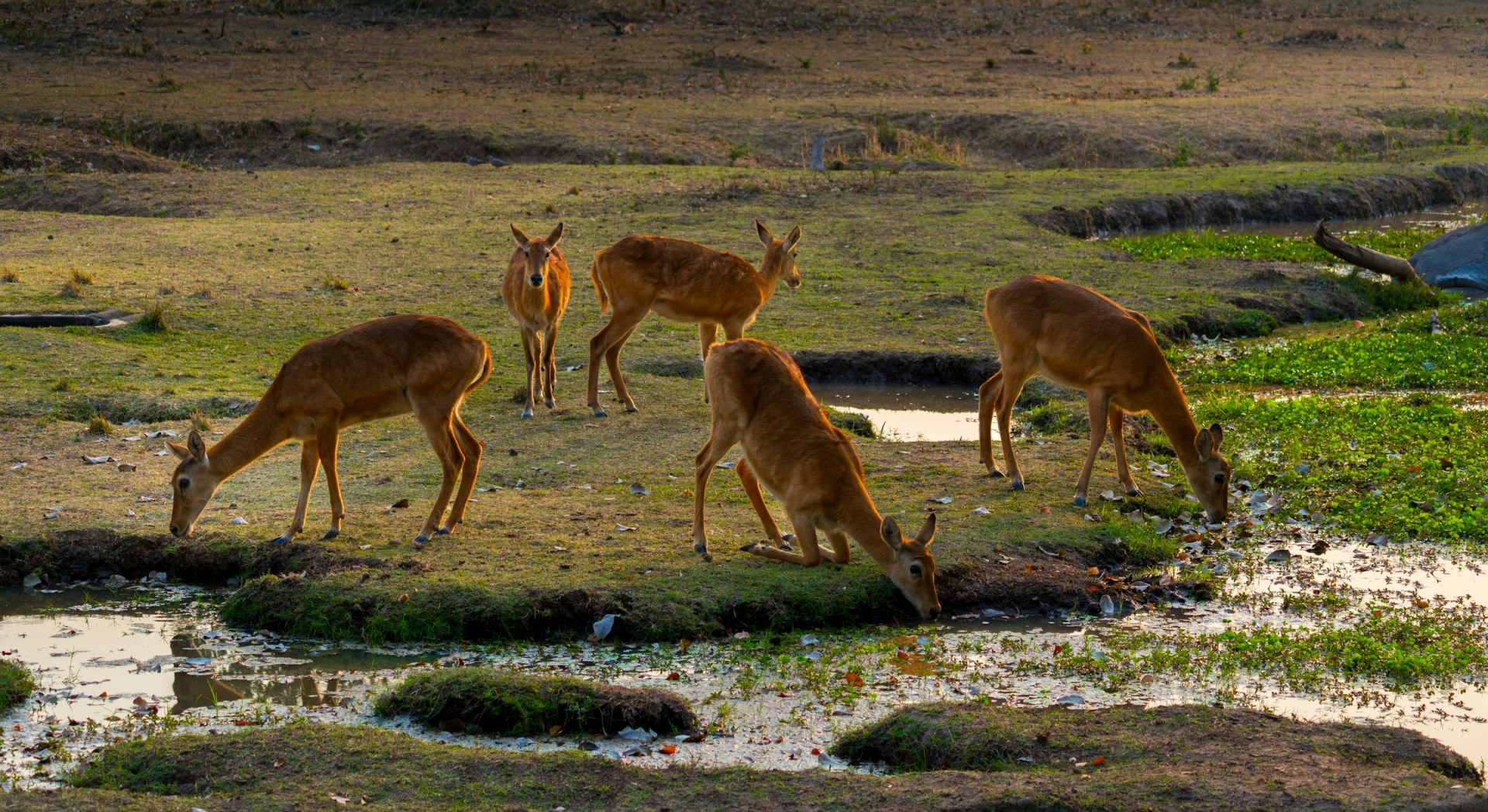
Animal life in South Luangwa is remarkable, with more than 60 mammal species visible throughout the year. Lions and leopards are regular sightings, with leopards especially abundant compared to many other parks. Elephants often wander along the riverbanks, while herds of buffalo and endemic species like the Thornicroft’s giraffe and Crawshay’s zebra roam the plains. Hippos and crocodiles cluster in the oxbow lagoons and deep pools that thread through the valley, creating dramatic scenes against bright African skies.
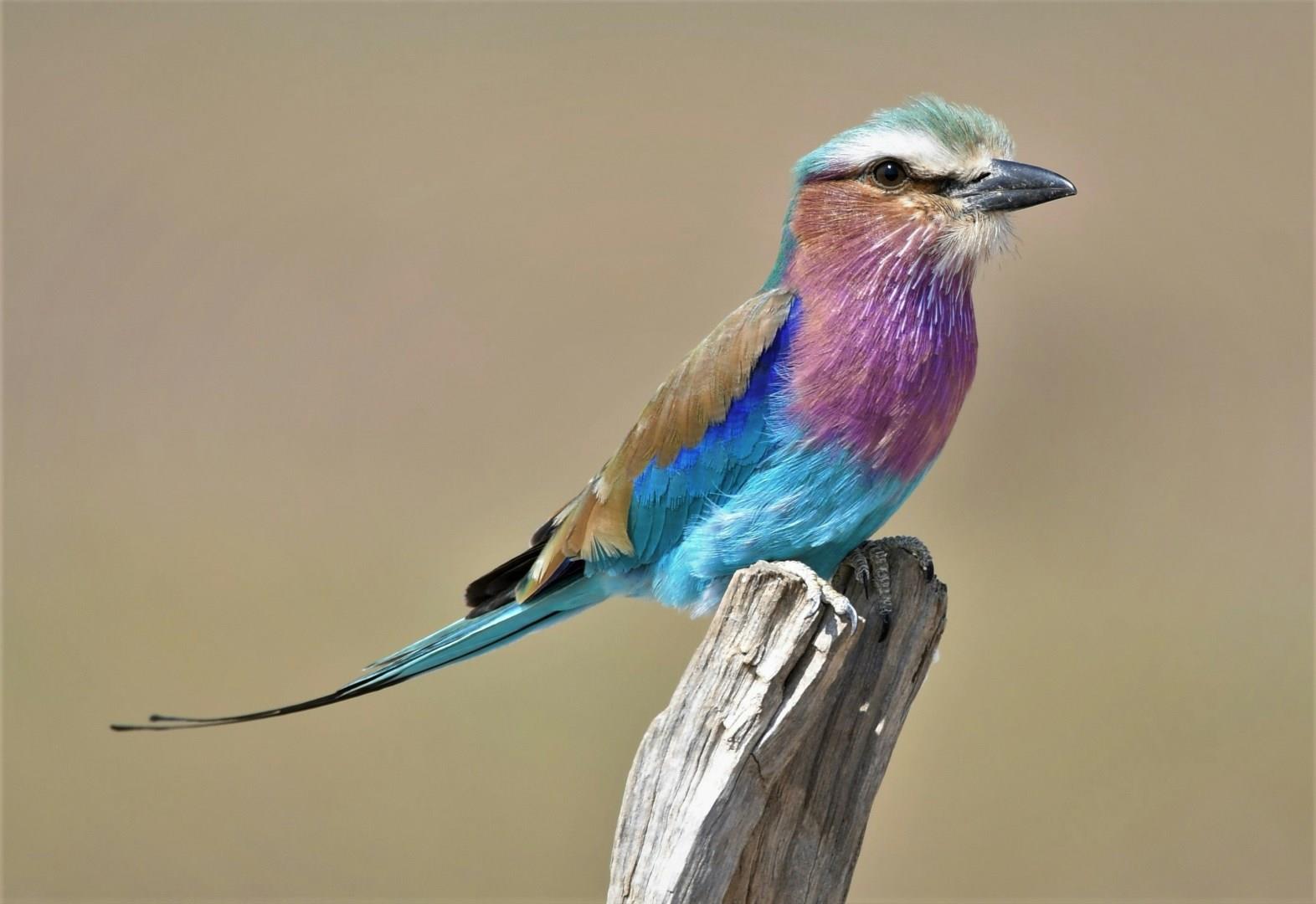
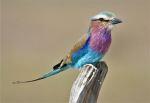
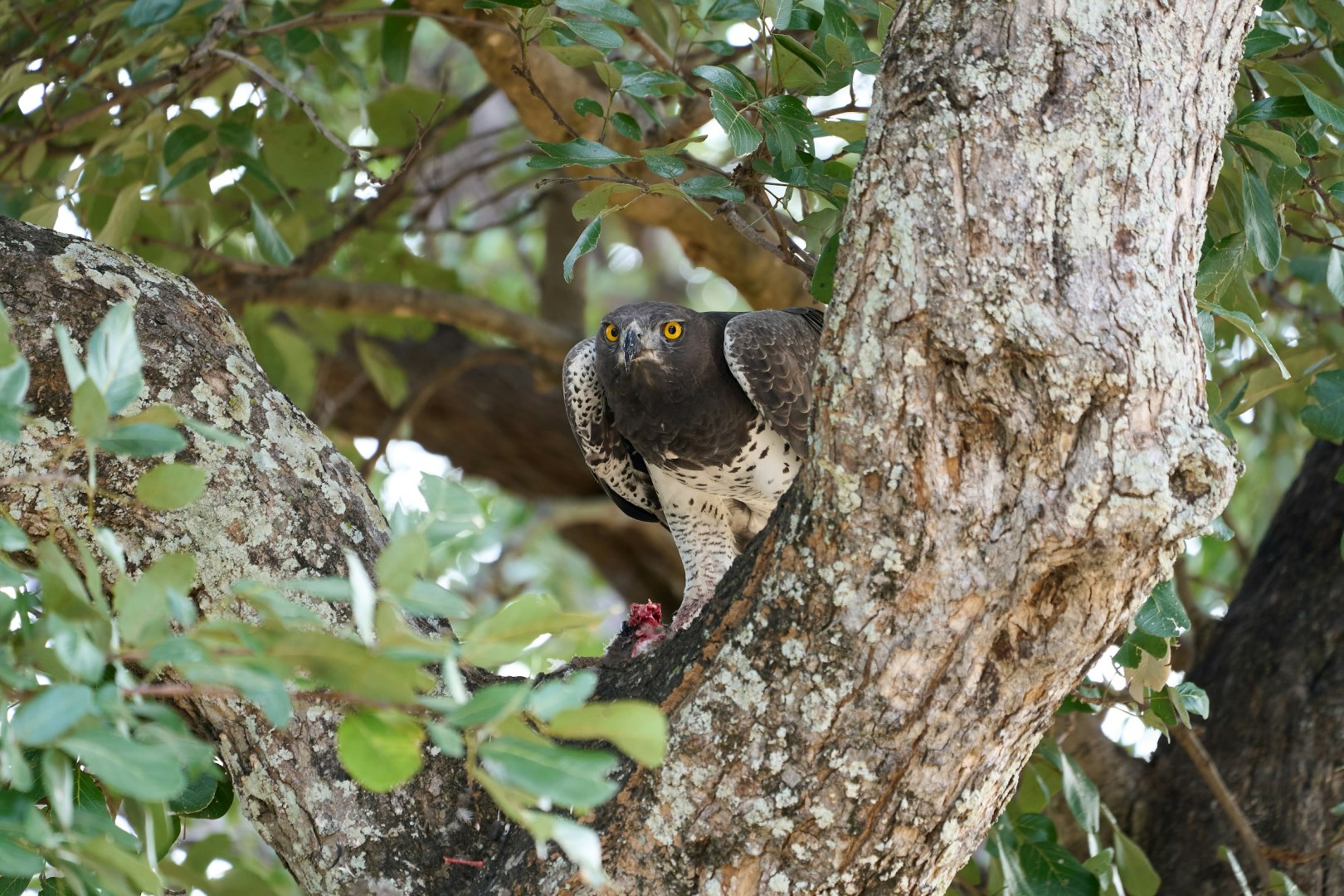
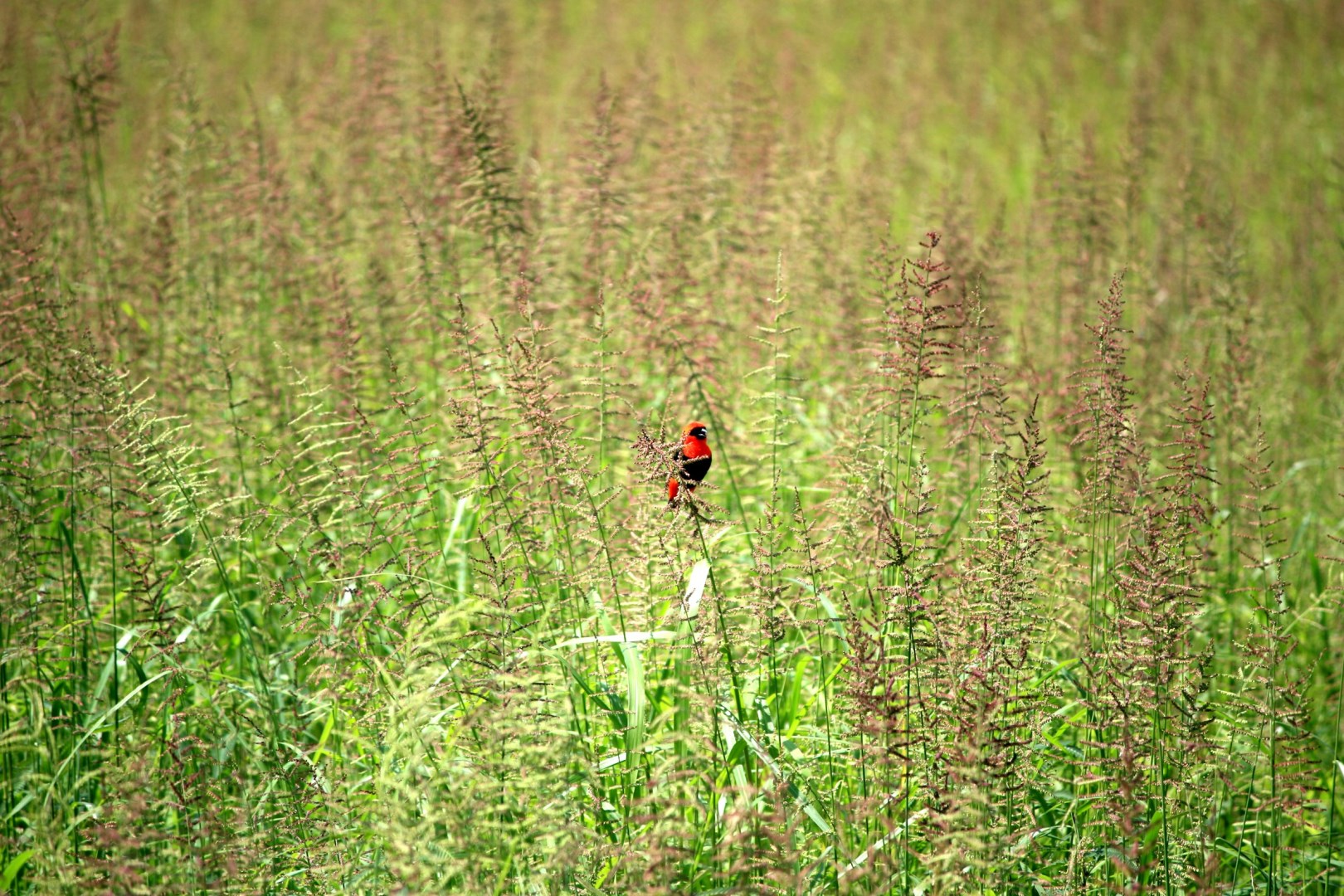
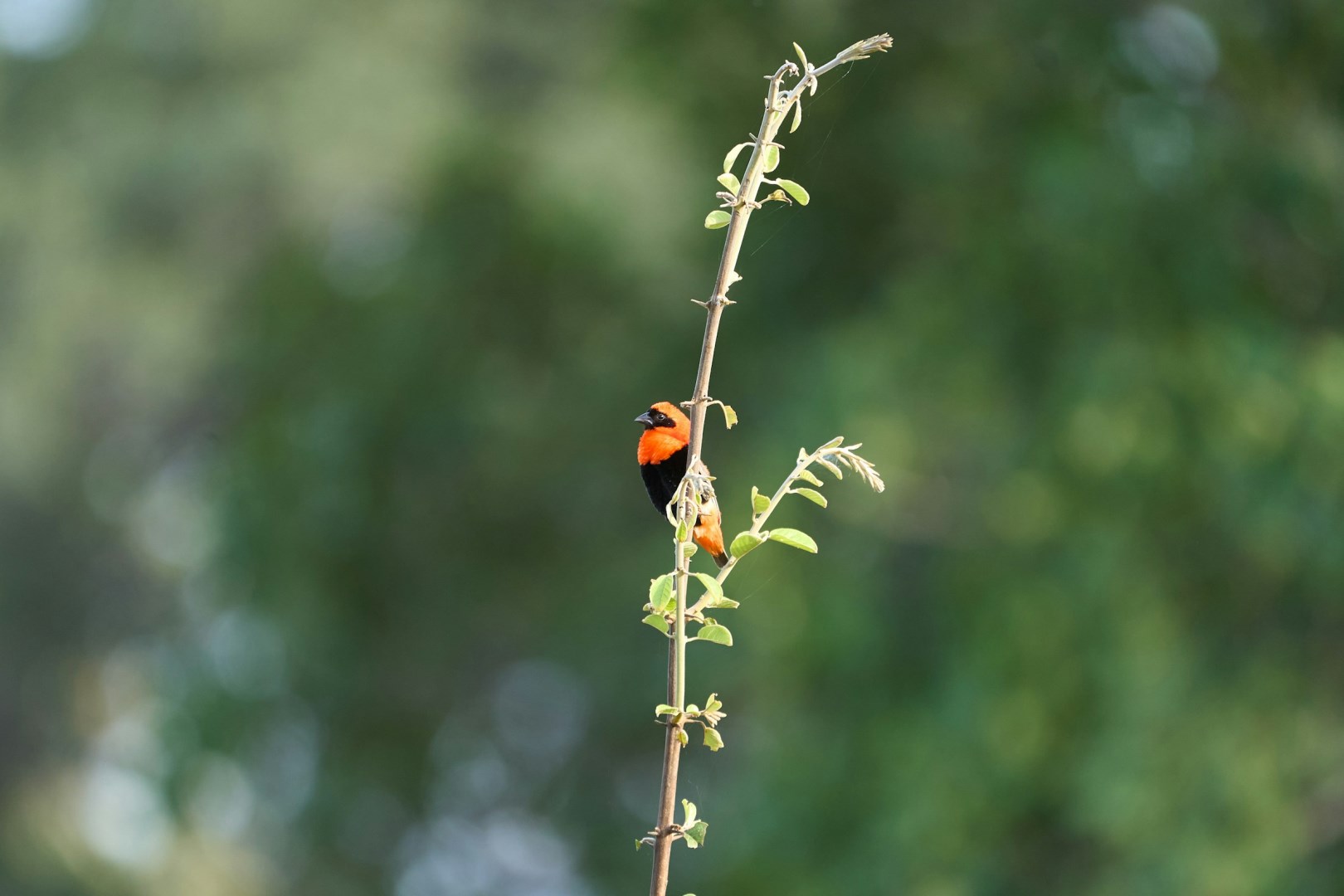
Birdlife adds another layer of richness to a visit, with over 400 species recorded in the park’s varied habitats. Waders and storks frequent the river edges, while vibrant carmine bee-eaters arrive in large numbers during certain months, painting the banks with flashes of red and blue. Eagles and fish eagles are often heard soaring overhead, and guides can help point out smaller species that might otherwise be missed.