







OUI TRAVEL
Call: (630) 879-1111 or (800) 432-5948 | Email:
5 S. Randall Rd. Batavia, IL 60510
Due to COVID-19, our in-office hours have been adjusted to ensure a safe office environment for both our employees and clientele. Please know that while our in-office hours have been limited, we are still available for communication and consultation via telephone and email outside of these adjusted hours.
New In-Office Operating Hours:
Monday, Tuesday, Thursday & Friday: 9:00 am - 3:00 pm
Wednesday & Saturday: by appointment only
Thank you for your understanding and patience during this unprecedented time. Together, we will see brighter travel days ahead!
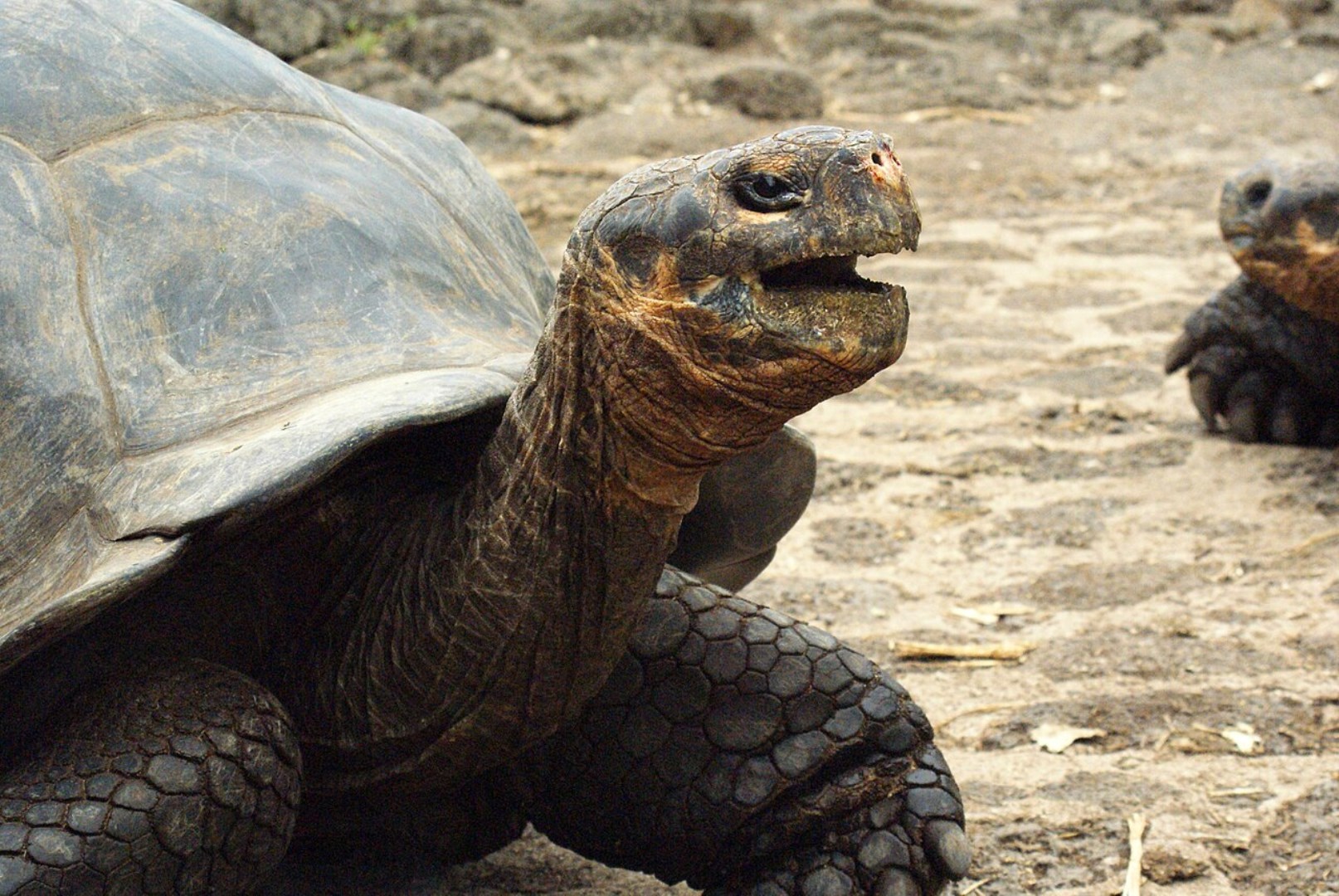
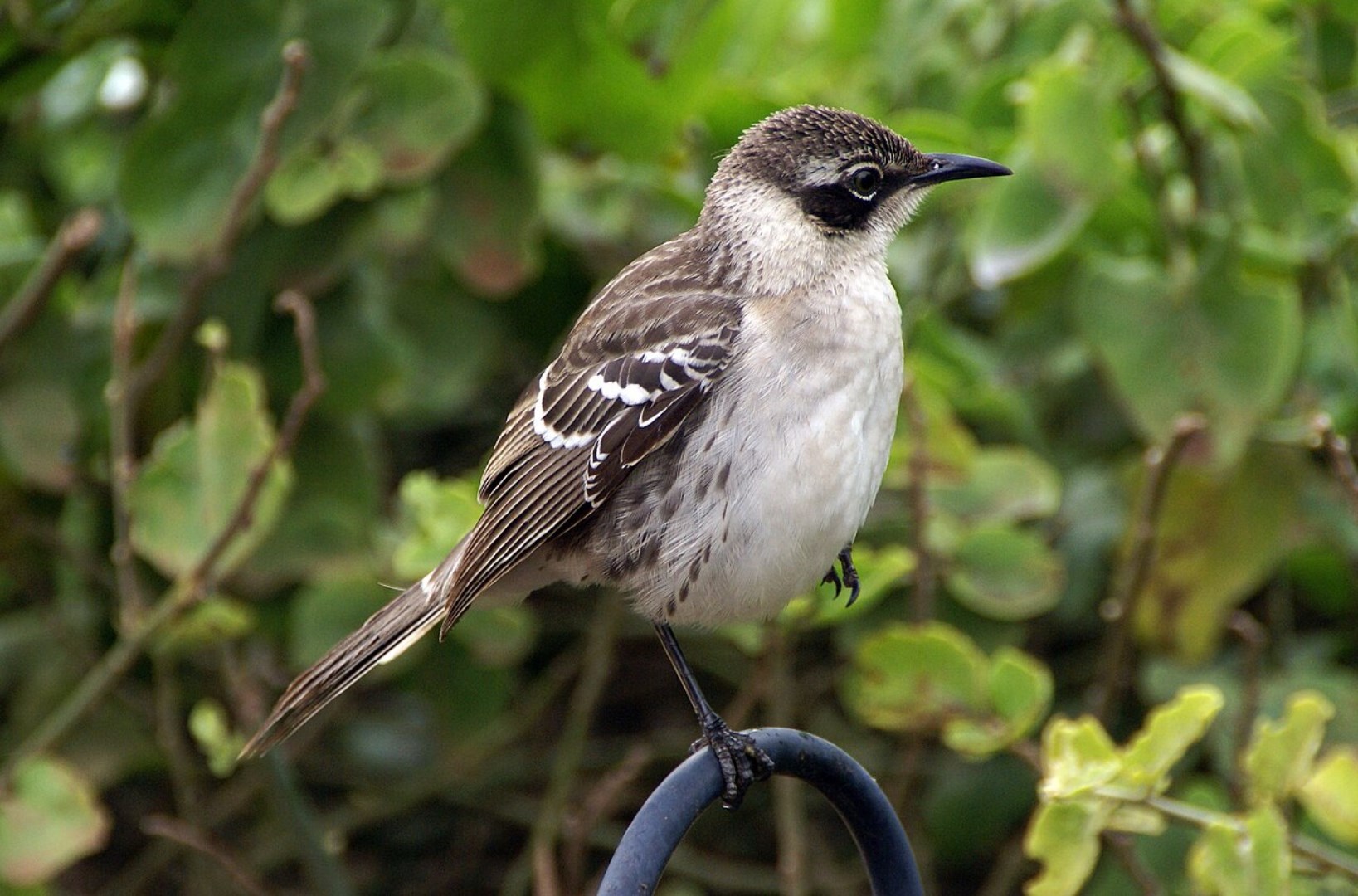
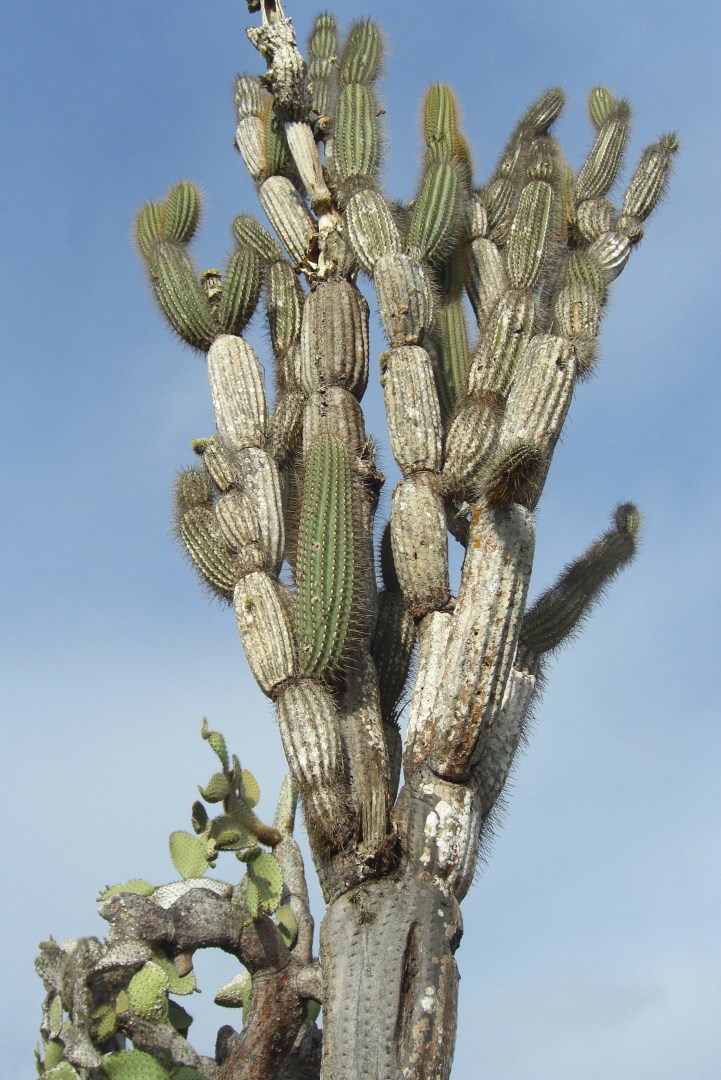
Set along the shoreline of Santa Cruz Island in the Galápagos, the Charles Darwin Research Station introduces visitors to a living laboratory shaped by volcanic land and rare wildlife. Located near Puerto Ayora, the station stands as the scientific heart of the islands, where researchers from around the world work side by side to understand and protect species found nowhere else on Earth. Guests are welcomed onto the campus, where shaded paths, native plant gardens, and open-air exhibits reveal how science unfolds in real time.
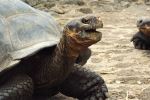
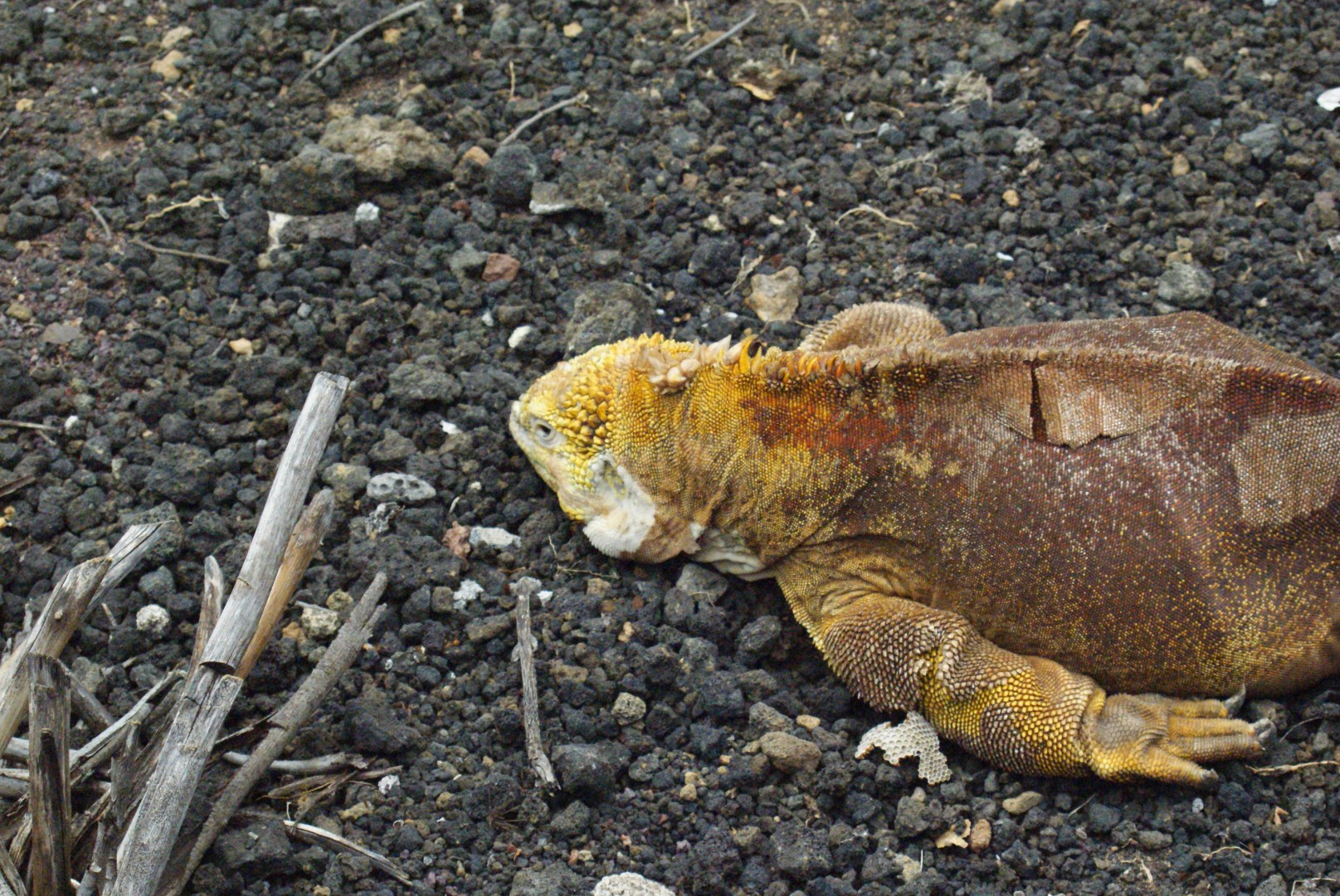
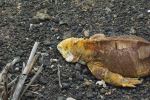
A walk through the station often leads to its most famous residents: giant tortoises. In carefully managed breeding centers, these slow-moving icons are raised and protected before being released back into the wild. Visitors can observe different species up close and learn how conservation teams have helped rebuild populations once on the brink. Nearby enclosures also house land iguanas, offering a rare chance to see these creatures in a protected setting while understanding the threats they face from invasive species.
Beyond wildlife, the station offers a deeper look into the science behind the islands’ global reputation. The exhibition hall presents skeletons of marine giants, research displays, and interactive exhibits that explain how ecosystems evolve in isolation. There is even a specialized library and archive where decades of field notes and scientific records are preserved. Many visitors are surprised to learn that entry is free, making this one of the most accessible places in the Galápagos to connect directly with ongoing conservation work.